Sheep Farming for Beginners: A Simple and Profitable Guide.
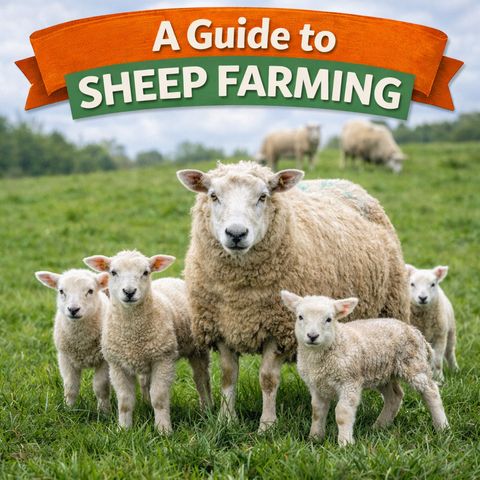
Unlock your farm’s full potential! Say goodbye to stress and hello to efficiency. Download now!
Sheep farming is one of the most accessible and rewarding livestock enterprises for new farmers. It requires moderate startup capital, adapts well to different climates, and offers multiple income streams through meat, wool, milk, and breeding stock. Many small-scale farmers begin with sheep because they are hardy animals that thrive under proper care and management.
For beginners, success in sheep farming depends on understanding the basics before investing heavily. Planning, selecting the right breed, providing good nutrition, maintaining proper health programs, and understanding market demand are essential foundations.
This guide explains everything a beginner needs to know to start sheep farming confidently and build a profitable operation over time.
Why Sheep Farming Is a Good Business for Beginners
Sheep farming is attractive because of its flexibility. Sheep can be raised on small plots of land or integrated into mixed farming systems. They convert grass and forage into valuable products such as meat and wool, which makes them efficient livestock animals.
The demand for lamb and mutton remains strong in many regions due to cultural, religious, and dietary preferences. Sheep reproduce relatively quickly, often giving birth to one or two lambs per year, which allows flock numbers to grow steadily. With proper management, sheep farming can provide a consistent income throughout the year.
Choosing the Right Sheep Breed
Selecting the right breed is one of the most important decisions for beginners. The ideal breed depends on climate, production goals, and market demand.
If your goal is meat production, choose fast-growing meat breeds that have good feed conversion and high dressing percentages. If wool production is your focus, select breeds known for high-quality fleece. Some breeds are dual-purpose, producing both meat and wool, which gives beginners flexibility.
Local or indigenous breeds are often recommended for beginners because they are more adapted to local weather conditions and disease challenges. Starting with hardy breeds reduces management difficulties and improves survival rates.
Land and Housing Requirements
Sheep do not require expensive housing structures. Simple, well-ventilated shelters that protect animals from rain, extreme sun, and strong winds are sufficient. The housing area should be dry and elevated to prevent waterlogging, which can lead to foot problems and disease.
Each sheep should have enough space to move comfortably. Overcrowding increases stress and disease risk. A fenced grazing area is important to protect sheep from predators and prevent them from wandering.
Rotational grazing systems improve pasture utilization and reduce parasite buildup. Dividing pasture into sections and moving sheep periodically helps maintain healthy forage growth.
Feeding and Nutrition for Sheep
Proper nutrition directly affects growth, reproduction, and overall health. Sheep mainly feed on pasture grass, legumes, and forage crops. High-quality pasture can meet most of their nutritional needs during the grazing season.
During dry seasons or when pasture is limited, supplementation with hay, silage, or concentrate feed may be necessary. Pregnant and lactating ewes require higher nutritional support to maintain body condition and produce healthy lambs.
Mineral supplements and clean drinking water must always be available. Salt licks containing essential minerals help prevent deficiencies and improve productivity. Monitoring body condition score helps beginners adjust feeding levels correctly.
Breeding Management for Beginners
Sheep reach sexual maturity at around six to eight months of age, depending on breed and nutrition. However, breeding is usually recommended when ewes reach an appropriate body weight to ensure a safe pregnancy.
The average gestation period in sheep is about 147 days. Planning breeding seasons helps align lambing with favorable weather and feed availability. Many farmers prefer seasonal breeding to simplify management.
Ram selection plays a major role in flock improvement. Choosing healthy, well-grown rams from good genetic backgrounds improves lamb growth rates and overall flock performance.
Lambing and Care of Newborn Lambs
Lambing is a critical period that requires close supervision. Providing clean, dry bedding reduces infection risk. After birth, lambs should receive colostrum within the first few hours of life, as it provides immunity against diseases.
The ewe should bond properly with her lamb. Monitoring during the first few days ensures the lamb is feeding well and gaining strength. Weak lambs may need extra support or supplemental feeding.
Early identification of lambing problems helps prevent losses. Keeping simple records of lambing dates, litter size, and lamb survival supports better decision-making in future breeding seasons.
Common Sheep Diseases and Health Management
Disease prevention is more cost-effective than treatment. Beginners should establish a basic vaccination and deworming schedule based on local veterinary advice. Internal parasites are a common problem in sheep, especially in humid environments.
Regular hoof trimming prevents foot rot and lameness. Clean housing and rotational grazing reduce disease spread. Observing sheep daily helps detect early signs of illness such as loss of appetite, isolation, or abnormal discharge.
Working with a local veterinarian ensures proper diagnosis and treatment when health issues arise. Healthy sheep grow faster and reproduce more efficiently.
Marketing and Selling Sheep Products
Understanding your market before starting sheep farming improves profitability. Identify whether your target market prefers lamb meat, mutton, breeding stock, or wool. Study local price trends and seasonal demand patterns.
Direct sales to consumers, local markets, restaurants, or abattoirs are common marketing channels. Some farmers also sell breeding animals to other farmers. Building a good reputation for healthy, well-managed sheep increases repeat customers.
Timing sales during periods of high demand can significantly increase profit margins.
Cost of Starting a Sheep Farm
Startup costs include purchasing breeding stock, fencing, housing materials, feed, veterinary supplies, and basic equipment. The scale of investment depends on flock size and production goals.
Starting small allows beginners to gain experience without high financial risk. Gradual expansion based on profits improves long-term stability. Proper budgeting and record-keeping help track expenses and identify areas for improvement.
Tips for Success in Sheep Farming
Success in sheep farming does not happen by chance. It comes from consistent management, careful observation, and long-term planning. Beginners who focus on strong foundations are more likely to build a profitable and sustainable flock. Below are practical tips that can guide new farmers toward success.
Start Small and Grow Gradually
Beginning with a manageable number of sheep allows you to gain hands-on experience without overwhelming yourself financially or physically. A small flock is easier to monitor, feed, and treat. As your confidence and knowledge grow, you can expand your operation using profits generated from the farm.
Choose Quality Breeding Stock
The productivity of your farm depends heavily on the quality of animals you start with. Purchase healthy sheep from reputable breeders who maintain good health records. Look for animals with strong body condition, good growth rate, sound legs, and no visible signs of disease. Investing in strong genetics improves lamb survival and overall flock performance.
Focus on Proper Nutrition
Nutrition directly affects growth, fertility, milk production, and disease resistance. Ensure sheep have access to good-quality pasture and clean water at all times. Provide supplemental feed during dry seasons or when pasture quality declines. Monitor body condition regularly to prevent underfeeding or overfeeding.
Maintain a Preventive Health Program
Disease prevention saves money and reduces losses. Follow a regular vaccination and deworming schedule based on local veterinary advice. Keep housing clean and dry to minimize infections. Early detection of illness through daily observation prevents minor problems from becoming major losses.
Practice Good Pasture Management
Overgrazing weakens pasture and increases parasite buildup. Use rotational grazing to allow grass to recover and reduce disease risks. Healthy pasture improves feed efficiency and lowers feed costs. Well-managed land supports long-term productivity.
Keep Accurate Records
Record breeding dates, lambing outcomes, health treatments, feed expenses, and sales. Good records help farmers track performance patterns, identify high-performing ewes, and detect recurring health or lambing problems early. Accurate documentation supports better decision-making when selecting replacement stock, adjusting feeding programs, and planning future breeding seasons.
Using a structured system like My Sheep Manager simplifies this process by organizing all flock data in one place. Farmers can track expected lambing dates, record birth weights, note complications, and monitor ewe recovery efficiently. Digital records reduce errors and improve monitoring in sheep farming.
Understand Your Market
Profitability depends on selling at the right time and to the right buyers. Study local demand for lamb, mutton, wool, or breeding stock. Plan production cycles to match peak demand periods. Building strong relationships with buyers improves income stability.
Continue Learning
Successful sheep farmers stay informed about new management practices, nutrition strategies, and disease control methods. Attend workshops, consult veterinarians, and connect with experienced farmers. Continuous learning strengthens your ability to adapt to challenges.
Conclusion
Sheep farming offers beginners a practical and profitable entry into livestock production. With the right breed selection, proper housing, balanced nutrition, effective breeding management, and consistent health care, even small-scale operations can grow into sustainable enterprises. Success comes from understanding the animals, planning carefully, and responding quickly to challenges.
By starting with clear goals and applying sound management practices, new farmers can build a healthy flock, reduce losses, and create a steady income over time. Sheep farming is a journey that combines skill, observation, and commitment, leading to long-term productivity and financial growth.
Join Our Community ()
Your farm’s growth starts here! Streamline operations, eliminate paperwork, and embrace efficiency. Download now!
