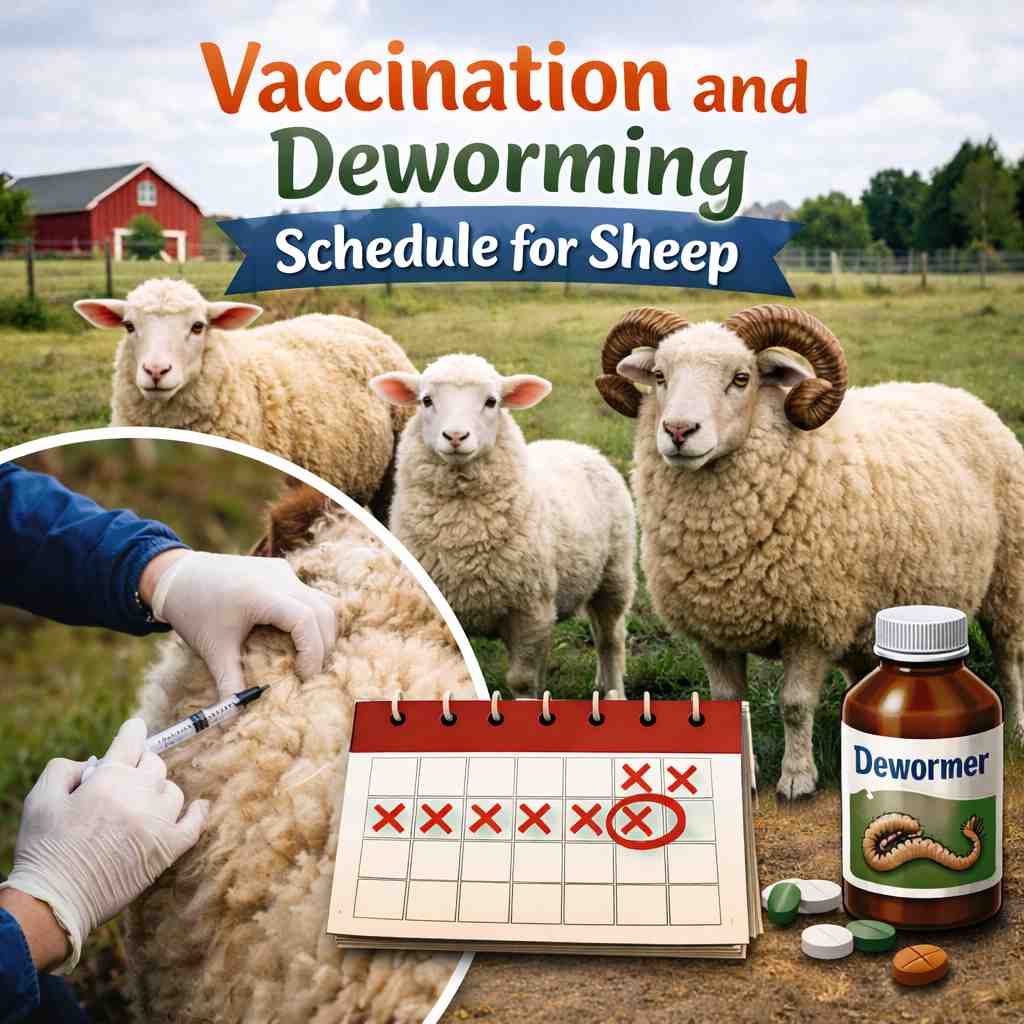
Vaccination and Deworming Schedule for Sheep.
Save time, reduce mistakes, and enjoy farming again. Our apps make it possible. Get started today!
Sheep farming can be highly rewarding, yet it comes with challenges that directly affect flock health and productivity. Diseases, parasites, and poor management practices can quickly reduce growth, fertility, and overall performance if not properly addressed.
Implementing a structured vaccination and deworming schedule is one of the most effective ways to prevent these issues. A carefully planned program keeps sheep healthy, minimizes losses, and ensures consistent productivity. Understanding which vaccines and deworming treatments are necessary, along with the correct timing, allows farmers to protect their flocks from common threats and establish a strong foundation for long-term success.
This guide offers detailed insights into essential vaccines, parasite control strategies, and practical tips for implementing an effective health management program for sheep.
Why Vaccination is Critical for Sheep Health
Vaccination is the cornerstone of keeping sheep healthy, productive, and profitable. It is one of the most effective preventive tools farmers have to protect their flocks from serious and often deadly diseases.
Prevents Deadly and Costly Diseases
Sheep are vulnerable to diseases such as enterotoxemia, tetanus, foot-and-mouth disease, sheep pox, and peste des petits ruminants (PPR). Many of these illnesses spread quickly and can cause high mortality. Vaccination helps build immunity, reducing outbreaks and saving animals’ lives.
Improves Growth and Productivity
Healthy sheep grow faster, convert feed more efficiently, and produce better meat, wool, and milk. When animals are protected from disease, their bodies use nutrients for growth rather than fighting infections, leading to better overall performance.
Reduces Treatment Costs
Treating sick animals is often expensive and time-consuming. Vaccination is far cheaper than repeated treatments, veterinary visits, and losses from deaths or poor growth. Preventing disease is always more economical than curing it.
Protects the Whole Flock
Vaccinating a large portion of the flock creates herd immunity. This limits disease spread, protecting young lambs, pregnant ewes, and weaker animals that are most at risk.
Ensures Food Safety and Market Access
Healthy, vaccinated sheep are safer for meat and milk production. Many markets and buyers prefer or require animals raised under proper health programs, including vaccination, which improves your farm’s credibility and income potential.
Supports Long-Term Farm Sustainability
Regular vaccination reduces disease outbreaks year after year, leading to more stable production and predictable farm planning. It also minimizes the misuse of antibiotics, supporting responsible and sustainable livestock farming.
Key Vaccines for Sheep
Clostridial Vaccines (CDT / 5-in-1 / 6-in-1)
These vaccines protect sheep against fast-acting and often fatal clostridial diseases such as pulpy kidney, tetanus, black disease, and blackleg. Clostridial bacteria are common in soil and the gut, making this vaccine essential for all sheep. Regular boosters, especially before lambing, are critical to maintain protection.
Foot Rot Vaccine
The foot rot vaccine helps reduce severe lameness caused by bacterial infections of the hooves. It does not fully replace good hoof management, but significantly lowers disease spread and severity in flocks where foot rot is common. It is most effective when combined with foot trimming, clean housing, and quarantine of new animals.
Sheep Pox Vaccine
This vaccine protects sheep against sheep pox, a highly contagious viral disease that causes skin lesions, fever, and production losses. Vaccination is especially important in regions where outbreaks occur. A single annual dose usually provides effective protection.
Peste des Petits Ruminants (PPR) Vaccine
The PPR vaccine protects sheep from a severe viral disease that causes fever, mouth sores, diarrhea, pneumonia, and high mortality. It is one of the most important vaccines in Africa and Asia. One vaccination can provide long-lasting immunity and is often part of national disease-control programs.
Bluetongue Vaccine
This vaccine protects against the bluetongue virus, which is spread by biting midges and causes fever, swelling of the mouth and tongue, and reproductive losses. It is mainly used in areas where bluetongue is known to occur. Vaccination should be done before the midge season begins.
Brucellosis (Brucella melitensis) Vaccine
The brucellosis vaccine helps prevent abortions, infertility, and weak lambs caused by Brucella infection. It is mainly used in breeding flocks and young females. Because brucellosis can infect humans, vaccination and handling should always follow veterinary and government guidelines.
Pasteurellosis (Pneumonia) Vaccine
This vaccine protects sheep against bacterial pneumonia, especially during stress from cold weather, transport, overcrowding, or sudden feed changes. It helps reduce sudden deaths and respiratory illness. Vaccination is particularly important in lambs and intensively managed flocks.
Importance of Deworming and Parasite Control
Internal parasites, particularly gastrointestinal worms, are a major threat to sheep health. Worm infestations lead to weight loss, poor wool quality, reduced fertility, and anemia. Effective parasite management is essential to prevent these issues.
Deworming programs reduce worm burdens, improve growth rates, and help maintain overall flock health.
Young lambs are most vulnerable to worm infestations due to their underdeveloped immune systems. Deworming is typically initiated at four to six weeks of age and continues according to parasite risk and seasonal patterns.
Fecal egg counts can guide treatment frequency, ensuring that dewormers are used only when necessary. Overusing deworming drugs can lead to resistance, which makes parasite control increasingly difficult over time.
Rotating different classes of dewormers and combining treatments with pasture management, such as rotational grazing and maintaining clean pens, enhances the effectiveness of parasite control strategies. A well-managed deworming program ensures that sheep remain healthy, productive, and less prone to secondary infections.
Recommended Vaccination and Deworming Schedule
A strategic schedule helps ensure that sheep receive the right protection at the right time. Lambs should receive the first dose of clostridial vaccine at six to eight weeks, followed by a booster four weeks later.
This schedule ensures that their immune system is primed to respond effectively to infections. Deworming should start at four to six weeks, with follow-up treatments based on fecal egg counts and seasonal risk.
Adult sheep require annual booster vaccines to maintain immunity against clostridial diseases. Targeted vaccinations for foot rot or pneumonia are administered as needed, depending on local conditions and disease prevalence.
Deworming in adults is usually done strategically, focusing on high-risk periods such as rainy seasons when parasite activity is at its peak. Consistent monitoring of the flock’s health allows farmers to adjust schedules based on emerging challenges, ensuring optimal protection.
Practical Tips for Implementing Vaccination and Deworming Programs
Effective vaccination and deworming programs require careful planning, execution, and record-keeping. Administer vaccines and dewormers using clean equipment, and strictly follow manufacturer instructions regarding dosage and storage.
Grouping sheep by age or health status can make the process more efficient and ensure that each animal receives the appropriate treatment.
Monitoring sheep after vaccination or deworming is essential. Observing for signs of adverse reactions allows early intervention and prevents potential complications.
Balanced nutrition strengthens the immune system, making vaccines more effective and helping sheep resist parasite infestations.
Maintaining detailed records of each vaccination and deworming event in My Sheep Manager ensures that the schedule is adhered to consistently. These records help identify trends, track animal health, and make informed management decisions
Conclusion
A well-structured vaccination and deworming schedule is vital for healthy, productive sheep flocks. Vaccination protects sheep from deadly infectious diseases, while deworming prevents parasitic infestations that can severely affect growth and productivity.
Careful planning, regular monitoring, and veterinary guidance ensure that each sheep receives timely protection. Implementing these practices not only improves the health and welfare of the flock but also enhances farm productivity and profitability. By prioritizing disease prevention and parasite control, sheep farmers can achieve stronger, healthier, and more resilient flocks that thrive year-round.
Join Our Community ()
From sunrise to sunset, manage your farm effortlessly. Our apps give you peace of mind and control. Get started now!
