How to Reduce Lamb Mortality on Your Farm.
The future of farming is at your fingertips. Reduce stress, boost efficiency, and manage with ease. Download now!
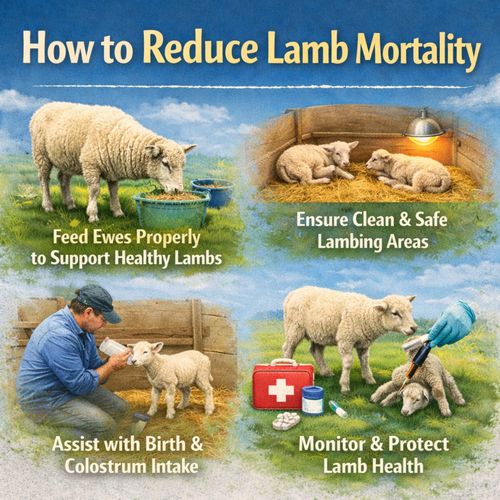
Lamb mortality remains one of the greatest challenges in sheep farming. Every lamb lost represents lost income, wasted feed, reduced genetic progress, and emotional strain for the farmer. High mortality rates often result from a combination of poor nutrition, weak immunity, difficult births, disease exposure, and inadequate newborn care. Reducing these losses requires more than reacting to illness. It demands a planned approach that begins before breeding and continues through pregnancy, lambing, and early growth.
Healthy lamb survival depends on proper ewe management, strong colostrum intake, clean environments, accurate observation, and timely intervention. This guide explains the main causes of lamb mortality and presents practical strategies that farmers can apply to improve survival rates, protect animal welfare, and strengthen long-term flock productivity.
Understanding the Main Causes of Lamb Mortality
Most lamb deaths occur within the first few days of life. Hypothermia, starvation, infections, birth injuries, and weak immunity remain the leading contributors. Lambs born small, premature, or from poorly nourished ewes face a higher risk. Difficult deliveries often result in trauma, oxygen deprivation, or delayed standing and suckling.
Environmental factors also influence survival. Cold, wet weather, dirty bedding, overcrowding, and poor ventilation increase stress and disease exposure. Identifying these causes allows farmers to address problems at their source rather than treating symptoms after losses occur.
Preparing Ewes Before Breeding
Strong lamb survival begins before pregnancy. Ewes in good body condition produce healthier lambs and stronger colostrum. Body condition scoring helps identify underweight or overweight animals that may struggle during gestation and lambing.
Balanced nutrition before breeding supports ovulation, embryo survival, and uterine health. Mineral supplementation corrects deficiencies that weaken immune development in unborn lambs. Selecting healthy breeding stock reduces genetic risks associated with poor mothering ability, low milk yield, and difficult births.
Managing Nutrition During Pregnancy
Proper feeding during pregnancy plays a decisive role in lamb survival. Energy and protein requirements rise sharply during late gestation as fetal growth accelerates. Undernourished ewes deliver lighter lambs with weaker immune systems and reduced ability to regulate body temperature.
Providing high-quality forage, adequate concentrates, and balanced minerals supports placental function and milk production. Dividing ewes by litter size improves feeding accuracy since twins and triplets require higher nutrient intake. Clean water access remains essential throughout gestation.
Providing a Clean and Safe Lambing Environment
The lambing area must protect newborns from cold, moisture, and disease. Dry bedding, proper drainage, and good ventilation prevent hypothermia and respiratory infections. Overcrowding increases trampling risk and contamination.
Individual lambing pens allow close observation, reduce mismothering, and limit disease spread. Disinfecting pens between occupants lowers bacterial load and protects vulnerable newborns. Calm surroundings reduce stress and promote normal maternal behavior.
Monitoring the Lambing Process Closely
Close supervision during lambing saves lives. Early detection of prolonged labor, abnormal presentation, or weak contractions allows timely assistance. Delayed intervention often results in stillbirths or lambs born too weak to survive.
Assisting with clean hands, sterile equipment, and gentle handling prevents injury and infection. Calling a veterinarian for difficult cases prevents losses and protects ewe health. Accurate records of lambing problems help improve future breeding decisions.
Ensuring Immediate Colostrum Intake
Colostrum provides antibodies, energy, and warmth during the first hours of life. Lambs that fail to receive sufficient colostrum face a severe risk of infection, hypothermia, and starvation. Each lamb should receive adequate colostrum within the first two hours after birth.
Weak lambs may require bottle feeding or stomach tubing to ensure intake. Checking that the ewe has milk and that teats are open prevents unnoticed starvation. Stored frozen colostrum from healthy ewes offers a valuable emergency resource during difficult seasons.
Preventing Hypothermia in Newborn Lambs
Newborn lambs lose heat rapidly due to wet coats, low body fat, and cold weather. Hypothermia remains one of the most common causes of early death. Drying lambs immediately after birth reduces heat loss and stimulates circulation.
Providing shelter from wind and rain, deep bedding, and heat lamps in cold conditions supports temperature regulation. Monitoring rectal temperature identifies lambs at risk before collapse occurs. Early warming combined with colostrum intake restores energy and survival chances.
Supporting Strong Mothering Behavior
Good mothering ensures frequent nursing, protection, and bonding. Some ewes reject lambs due to stress, pain, or confusion during multiple births. Observing early interactions confirms bonding and suckling success.
Assisting mismothered lambs through fostering or bottle feeding prevents starvation. Keeping ewes and lambs together in quiet pens strengthens attachment and reduces wandering that leads to exposure and injury.
Preventing Infectious Diseases
Newborn lambs face constant exposure to bacteria, viruses, and parasites. Clean housing, dry bedding, and proper ventilation reduce infection pressure. Navels should be dipped in iodine or chlorhexidine shortly after birth to prevent joint ill and septicemia.
Vaccinating ewes during late pregnancy boosts antibody levels in colostrum, providing early protection against clostridial diseases and tetanus. Maintaining strict hygiene during feeding and handling protects fragile immune systems.
Managing Parasites and Coccidiosis
Internal parasites weaken lambs, reduce appetite, and impair growth. Strategic deworming of ewes before lambing lowers pasture contamination. Monitoring fecal egg counts guides treatment decisions and prevents resistance.
Coccidiosis often affects lambs after weaning and during early group housing. Clean pens, dry bedding, and proper sanitation limit oocyst buildup. Early treatment prevents diarrhea, dehydration, and long-term intestinal damage.
Providing Adequate Milk and Supplementary Feeding
Milk intake determines growth and immunity during early life. Checking udders daily confirms milk flow and detects mastitis early. Lambs from large litters may require supplemental feeding to meet energy needs.
Introducing creep feed supports rumen development and prepares lambs for weaning. Fresh water access encourages early feed intake and digestive health. Balanced nutrition strengthens disease resistance and improves survival beyond the neonatal stage.
Monitoring Growth and Early Health Signs
Daily observation identifies problems before losses occur. Healthy lambs stand quickly, nurse frequently, and remain alert. Weakness, isolation, diarrhea, coughing, or bloating signal urgent attention.
Regular weighing tracks growth trends and highlights nutritional deficiencies. Prompt treatment of minor illnesses prevents progression into fatal conditions. Keeping lambs warm, dry, and well fed remains the most effective defense against mortality.
Record Keeping and Farm Management
Accurate records reveal patterns that influence survival. Tracking birth weights, litter size, colostrum intake, disease events, and deaths helps identify risk factors and management gaps.
Using tools like My Sheep Manager allows farmers to record lambing data, monitor health status, and analyze mortality trends across seasons. Organized records guide better breeding choices, feeding programs, and disease prevention strategies that steadily reduce losses.
Conclusion
Reducing lamb mortality requires attention at every stage of production, from breeding preparation to newborn care and early growth management. Strong ewe nutrition, clean environments, close lambing supervision, prompt colostrum intake, and careful disease control form the foundation of survival success.
When farmers invest time in observation, hygiene, nutrition, and record keeping, they protect both animal welfare and farm profitability. Lower mortality rates mean stronger flocks, better genetic progress, and sustainable sheep production that thrives year after year.
Join Our Community ()
Your farm, your rules. Ditch the paperwork and take control with our intuitive apps. Get started today!
