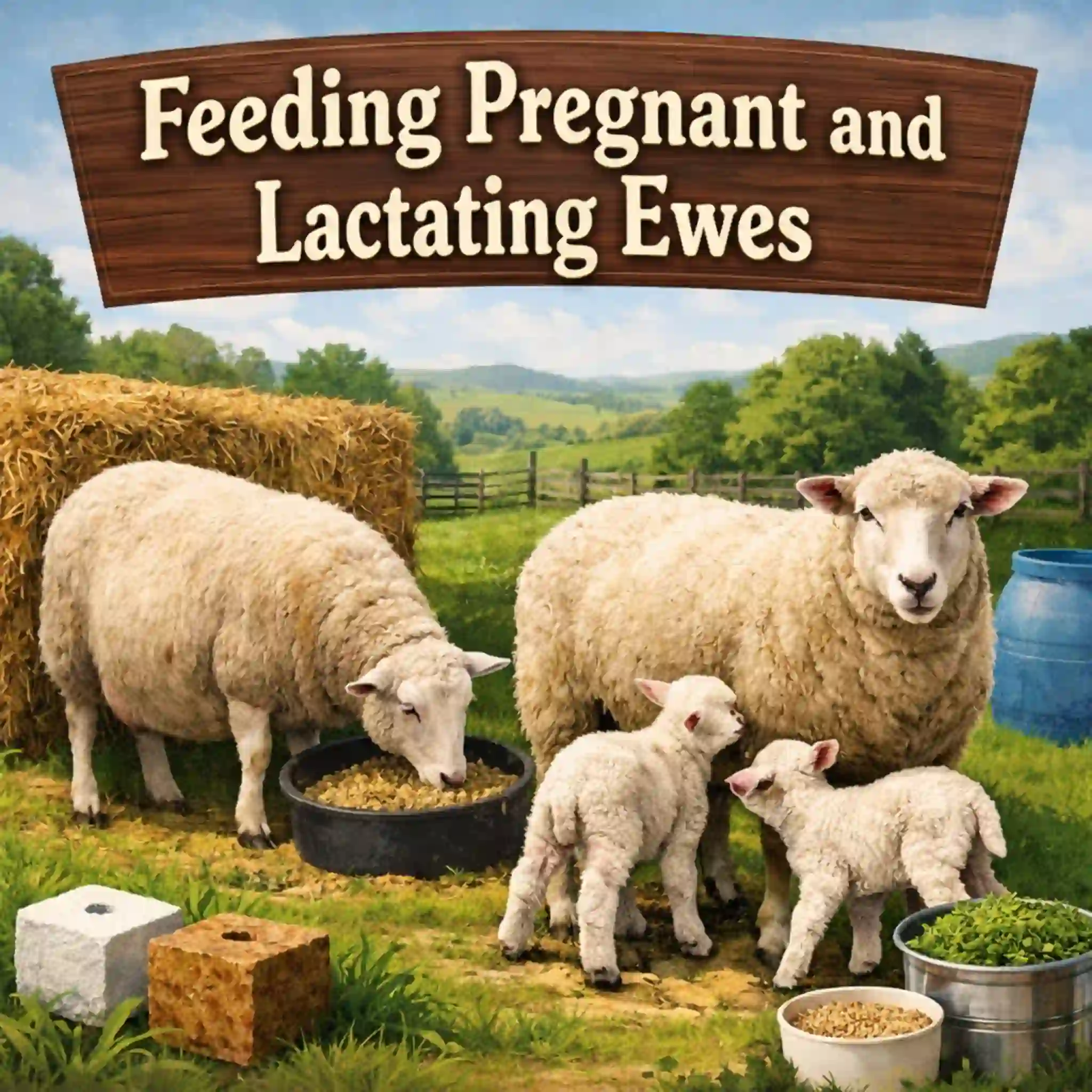
How to Feed Pregnant and Lactating Ewes.
End the chaos on your farm! Our apps handle the paperwork so you can focus on what truly matters. Start today!
Proper nutrition is one of the most critical factors that determine the success of sheep reproduction and lamb survival. Feeding pregnant and lactating ewes correctly has a direct influence on fetal development, lamb birth weight, milk yield, ewe health, and overall flock productivity. During pregnancy and lactation, the nutritional demands of ewes increase significantly, and failure to meet these needs often results in weak lambs, pregnancy toxemia, low milk production, and poor body condition.
Understanding how to feed pregnant and lactating ewes involves more than offering extra feed. It requires knowledge of nutrient requirements at different stages, appropriate feed sources, ration balancing, mineral supplementation, and good feeding management.
This guide explains how to feed ewes during pregnancy and lactation in a practical, farmer-friendly way to ensure strong lambs, high milk output, and healthy breeding females.
Nutritional Needs of Pregnant Ewes
Pregnancy in ewes lasts around 150 days and is divided into early, mid, and late gestation. Nutritional requirements change significantly across these stages.
Feeding Ewes in Early Pregnancy
Early pregnancy occurs during the first 50 days after conception. At this stage, fetal growth is minimal, and the ewe’s nutrient needs are close to maintenance levels. The primary goal is to maintain body condition and avoid stress.
Good-quality pasture or hay is usually sufficient during early pregnancy. Sudden feed changes, nutritional deficiencies, or severe underfeeding can lead to embryonic loss. Overfeeding should also be avoided, as excessive body fat increases the risk of metabolic problems later in pregnancy.
Feeding Ewes in Mid-Pregnancy
Mid-pregnancy spans from day 50 to around day 100. Fetal development begins to increase gradually, and nutrient requirements start rising. Ewes should continue to gain moderate body condition without becoming overweight.
High-quality forage forms the foundation of the diet during this period. If pasture quality declines, supplementation with energy and protein sources such as cereal grains or oilseed meals becomes necessary. Adequate mineral intake supports skeletal development of the fetus and prepares the ewe for late gestation.
Feeding Ewes in Late Pregnancy
Late pregnancy is the most critical feeding stage, covering the last six weeks before lambing. Around 70 percent of fetal growth occurs during this period, and the ewe’s rumen capacity decreases due to the growing uterus.
Energy and protein requirements increase sharply. Insufficient nutrition at this stage leads to pregnancy toxemia, low birth weight lambs, weak immune systems, and poor colostrum production. Concentrate feeds such as maize, barley, wheat bran, or commercial ewe pellets should be introduced gradually alongside high-quality hay or silage.
Twin- or triplet-bearing ewes require higher nutrient intake than single-bearing ewes. Grouping ewes based on pregnancy status allows for more precise feeding and reduces wastage.
Importance of Protein in Pregnant Ewe Diets
Protein plays a vital role in fetal tissue development, placental growth, and colostrum formation. Poor protein intake results in slow fetal growth and weak lambs at birth.
Legume forages such as alfalfa and clover provide excellent protein levels. When these are unavailable, protein supplements like soybean meal, cottonseed cake, or sunflower cake help meet requirements. Balanced protein intake supports muscle development and prepares the udder for milk production.
Mineral and Vitamin Requirements During Pregnancy
Minerals and vitamins are essential for reproductive health, bone formation, and immune function. Calcium and phosphorus are crucial for the skeletal growth of lambs and the prevention of metabolic disorders. Magnesium supports nerve and muscle function, especially in late pregnancy.
Trace minerals such as selenium, iodine, zinc, and copper influence fertility, lamb vigor, and thyroid function. Vitamin A supports vision and immunity, vitamin D aids calcium absorption, and vitamin E enhances disease resistance.
Providing a well-formulated mineral lick or loose mineral mix ensures consistent intake. Clean water availability improves mineral consumption and digestion.
Feeding Lactating Ewes for High Milk Production
Lactation places the highest nutritional demand on ewes. Milk production peaks within the first four to six weeks after lambing, and feed intake must match this increased requirement.
Energy Requirements During Lactation
Milk synthesis requires large amounts of energy. Energy deficiency leads to rapid weight loss, reduced milk yield, and poor lamb growth. High-energy feeds such as grains, molasses, and high-quality silage should be included in the ration.
Ewes nursing multiple lambs need significantly more energy than those with a single lamb. Regular body condition scoring helps determine whether feeding levels are adequate.
Protein Needs for Milk Production
Protein directly affects milk quantity and quality. Insufficient protein reduces milk volume and slows lamb growth rates. Diets for lactating ewes should contain higher protein levels than pregnancy diets.
Combining forage protein with concentrate protein sources ensures a steady nutrient supply. Balanced rations support sustained milk flow and maintain ewe health throughout lactation.
Role of Forage Quality in Ewe Nutrition
Forage is the foundation of sheep feeding systems. High-quality forage improves feed efficiency and reduces concentrate costs. For pregnant and lactating ewes, forage should be leafy, digestible, and free from mold.
Poor-quality forage increases the risk of nutrient deficiencies and digestive problems. Regular forage testing helps assess nutrient content and guides supplementation decisions. Feeding chopped or pelleted forage improves intake during late pregnancy when rumen space is limited.
Water Requirements for Pregnant and Lactating Ewes
Water is often underestimated in ewe nutrition, yet it is essential for optimal feed intake, efficient digestion, and sustained milk production. Lactating ewes require generous amounts of clean, fresh water daily, with their needs increasing significantly during hot weather.
Limited water access reduces feed consumption and milk yield. Water sources should be clean, easily accessible, and replenished frequently. Good water management supports overall flock health and productivity.
Common Feeding Mistakes to Avoid
Underfeeding during late pregnancy is a leading cause of metabolic disorders and lamb mortality. Sudden dietary changes cause digestive upsets and reduced feed intake. Inconsistent mineral supplementation leads to deficiency-related problems such as weak lambs and poor milk production.
Overfeeding concentrates without adequate fiber increases the risk of acidosis. Proper ration balancing and gradual feed transitions prevent these issues and promote steady performance.
Seasonal Feeding Considerations
Seasonal changes affect forage availability and nutrient content. Dry seasons require strategic supplementation to compensate for low pasture quality. Cold weather increases energy needs, while hot weather reduces appetite.
Adjusting feeding programs according to seasonal conditions maintains body condition and reproductive efficiency. Planning feed reserves and budgeting supplements ensures continuity throughout the production cycle.
Conclusion
Feeding pregnant and lactating ewes correctly is a cornerstone of successful sheep production. Nutritional management during pregnancy supports fetal development, lamb survival, and colostrum quality. Proper feeding during lactation ensures high milk yield, rapid lamb growth, and sustained ewe health.
By focusing on balanced energy and protein intake, quality forage, essential minerals, clean water, and good feeding practices, farmers can achieve stronger lambs and improved flock performance. Investing in proper ewe nutrition leads to higher productivity, reduced losses, and long-term sustainability in sheep farming.
Join Our Community ()
Transform your farm into a well-oiled machine! Streamline tasks, save time, and focus on growth. Download now!
