Why Sheep Walk in Circles: Causes, Symptoms, Treatment, and Prevention.
Farming made easy, efficient, and stress-free. Take charge of your farm’s future. Start today!
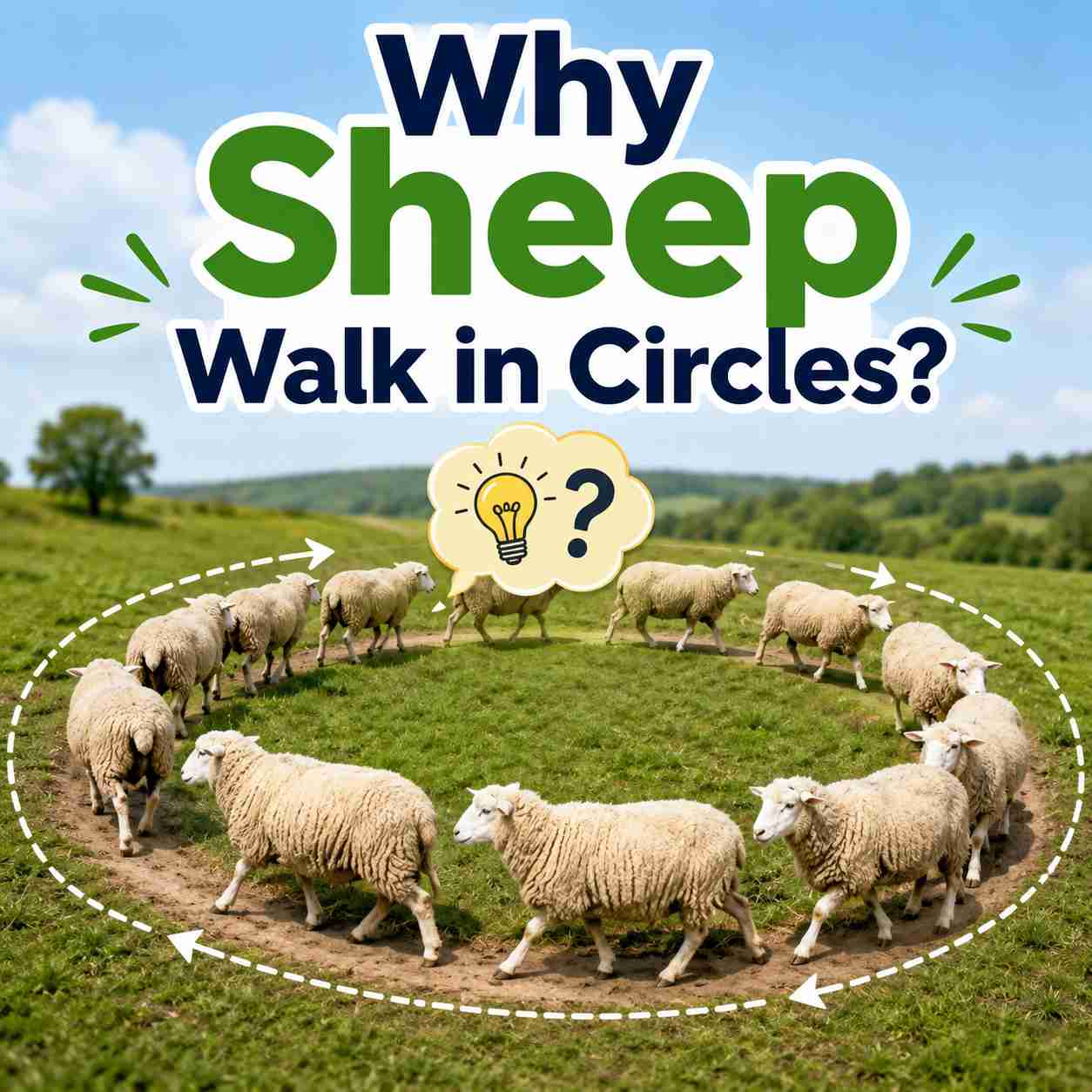
Sheep normally move in coordinated patterns while grazing, walking, or following the flock. When a sheep begins walking in circles repeatedly, it often signals an underlying health or neurological problem that requires immediate attention. Circular walking is not considered normal behavior and may indicate disease, injury, infection, poisoning, or brain-related disorders.
Farmers who ignore this behavior risk losing animals due to delayed treatment and worsening health conditions. In many cases, sheep walking in circles also show symptoms such as loss of balance, head pressing, weakness, poor coordination, or blindness. Early identification of these warning signs helps improve treatment success and reduces mortality within the flock.
Understanding Circular Walking Behavior in Sheep
Circular walking occurs when a sheep repeatedly moves in one direction without normal coordination or awareness. The behavior may appear mild at first, though it can become severe if the underlying condition worsens.
This abnormal movement usually indicates problems affecting the brain, nervous system, inner ear, or general body condition. Sheep experiencing neurological stress often lose their sense of direction and struggle to maintain normal posture or movement.
Farmers should closely monitor any sheep displaying repeated circling behavior because early intervention greatly improves recovery chances.
Why Sheep Walk in Circles?
Listeriosis
Listeriosis is one of the most common causes of circular walking in sheep. This bacterial infection affects the brain and nervous system, leading to loss of balance and abnormal movement.
The disease is often linked to poorly fermented silage contaminated with Listeria monocytogenes. Affected sheep may walk in circles, tilt the head, drool excessively, lose appetite, and appear depressed.
As the infection progresses, paralysis and death may occur if treatment is delayed.
Brain Abscesses
Brain abscesses can develop after injuries, infections, or untreated wounds. These abscesses place pressure on brain tissue and interfere with normal nervous system function.
Sheep with brain abscesses may show circling behavior, poor coordination, weakness, and abnormal posture. Symptoms often worsen gradually over time.
Veterinary diagnosis is necessary to confirm the condition and determine treatment options.
Inner Ear Infections
The inner ear controls balance and coordination. Infections affecting this area can cause dizziness, head tilting, and walking in circles.
Ear infections may result from bacterial disease, injuries, or poor hygiene conditions. Affected sheep often appear disoriented and may stumble frequently.
Early treatment helps prevent permanent damage to balance function.
Polioencephalomalacia
Polioencephalomalacia, commonly called PEM, is a neurological condition caused by thiamine deficiency or sulfur toxicity. This disorder damages brain tissue and affects normal movement.
Sheep suffering from PEM may walk in circles, press their heads against objects, develop muscle tremors, or become blind. Sudden diet changes and high-grain feeding increase the risk of this condition.
Immediate veterinary treatment improves survival chances significantly.
Coenurosis (Gid Disease)
Coenurosis is a parasitic disease caused by tapeworm larvae forming cysts within the brain. The condition is often called gid disease or sturdy.
As the cyst grows, pressure on the brain leads to neurological symptoms such as circling, head tilting, blindness, and loss of coordination.
Dogs carrying tapeworms are commonly involved in spreading the parasite to sheep.
Head Injuries and Trauma
Injuries to the head can damage the brain or nervous system, resulting in abnormal movement and circling behavior.
Trauma may occur from accidents, fighting, falls, or rough handling. Sheep with head injuries may appear confused, weak, or unable to maintain balance.
Immediate examination helps determine the severity of the injury.
Poisoning and Toxicity
Poisoned sheep may display circling, muscle tremors, weakness, excessive salivation, or sudden collapse.
Proper feed storage and pasture management reduce the risk of toxicity-related problems.
Severe Parasite Infestation
Heavy parasite burdens weaken sheep and affect nutrient absorption. Severe infestations can eventually impact nervous system function due to poor body condition and anemia.
Weak sheep may show unusual behavior, poor coordination, and reduced responsiveness.
Routine parasite control programs are essential for prevention.
Signs That Accompany Circular Walking
Head Tilting
Sheep walking in circles often tilt their heads to one side due to neurological problems or inner ear infections. This sign usually indicates balance disturbances or pressure affecting the brain.
Loss of Balance
Affected sheep may stumble, fall, or struggle to stand properly. Loss of coordination often becomes more severe as the condition progresses.
Blindness or Poor Vision
Some neurological diseases affect eyesight and awareness. Sheep may bump into objects, appear confused, or fail to respond to movement around them.
Reduced Appetite
Sick sheep commonly lose interest in feed and water. Reduced appetite weakens the animal further and slows recovery.
Depression and Isolation
Affected sheep often separate themselves from the flock and appear quiet or depressed. Reduced interaction with other sheep is a common warning sign.
Muscle Tremors or Twitching
Neurological disorders may cause involuntary muscle movement, trembling, or twitching. These signs often accompany advanced nervous system disease.
Drooling or Difficulty Swallowing
Some infections affecting the brain interfere with swallowing and facial muscle control. Sheep may drool excessively or struggle to eat normally.
Health Risks of Ignoring Circular Walking Behavior
Rapid Disease Progression
Neurological diseases can worsen very quickly. Delayed treatment often reduces survival chances significantly.
Permanent Brain Damage
Untreated infections or nutritional disorders may cause irreversible nervous system damage.
Spread of Infectious Disease
Certain bacterial and parasitic diseases can spread within the flock if infected animals are not identified early.
Increased Mortality
Severe neurological conditions frequently result in death when intervention is delayed.
How to Treat Sheep Walking in Circles
Seek Veterinary Assistance Immediately
Neurological symptoms should always be treated as emergencies. Veterinary examination helps identify the exact cause and appropriate treatment plan.
Isolate the Affected Sheep
Separating sick sheep reduces stress and limits disease spread within the flock. Isolation also allows closer monitoring and supportive care.
Provide Supportive Care
Offer clean water, quality feed, and a calm environment. Weak sheep may require assistance with feeding and hydration.
Treat Infections Promptly
Bacterial infections such as listeriosis often respond to early antibiotic treatment. Delayed care greatly reduces recovery success.
Correct Nutritional Deficiencies
Conditions such as PEM require rapid correction of thiamine deficiency and dietary imbalances. Proper feeding management supports recovery.
Control Parasites
How to Prevent Sheep From Walking in Circles
Feed High-Quality Silage
Maintain Balanced Nutrition
Practice Good Hygiene
Clean housing and feeding areas reduce bacterial exposure and disease risk.
Control Dogs Around Sheep
Managing farm dogs and deworming them regularly helps prevent the spread of tapeworm-related diseases such as coenurosis.
Monitor Sheep Daily
Regular observation allows farmers to detect abnormal behavior early before conditions become severe.
Reduce Injury Risks
Safe housing, proper handling, and removal of dangerous objects help prevent head trauma and accidents.
Long-Term Flock Management Strategies
Maintaining healthy sheep requires consistent health monitoring, proper feeding, parasite control, and stress reduction. Accurate record-keeping helps farmers track recurring health issues and identify disease patterns within the flock.
Routine veterinary care and vaccination programs support long-term flock health and productivity. Farmers who monitor behavior closely can identify unusual symptoms quickly and prevent serious outbreaks.
Good management practices improve animal welfare, reduce treatment costs, and increase farm profitability.
Conclusion
Sheep walking in circles is a serious abnormal behavior that often indicates neurological disease, infection, injury, poisoning, or nutritional imbalance. Conditions such as listeriosis, inner ear infections, brain parasites, and thiamine deficiency are among the most common causes. Since these problems can progress rapidly, early detection and immediate action are essential for improving recovery and reducing losses within the flock.
Farmers should closely monitor affected sheep for signs such as head tilting, poor coordination, weakness, blindness, reduced appetite, or isolation from the flock. Prompt veterinary care, supportive treatment, balanced nutrition, and proper hygiene can greatly improve survival rates and overall flock health.
Preventing neurological disorders requires strong flock management practices, including high-quality feeding programs, regular parasite control, safe housing, and routine health monitoring. Farmers who observe their sheep daily and respond quickly to unusual behavior can protect animal welfare, reduce treatment costs, and maintain a healthier and more productive sheep farming operation.
Join Our Community ()
Imagine a farm where everything runs smoothly. Make it real—download our revolutionary apps now!
