Why Pigs Shake Their Heads Repeatedly: Causes, Treatment, and Prevention.
Farming made easy, efficient, and stress-free. Take charge of your farm’s future. Start today!
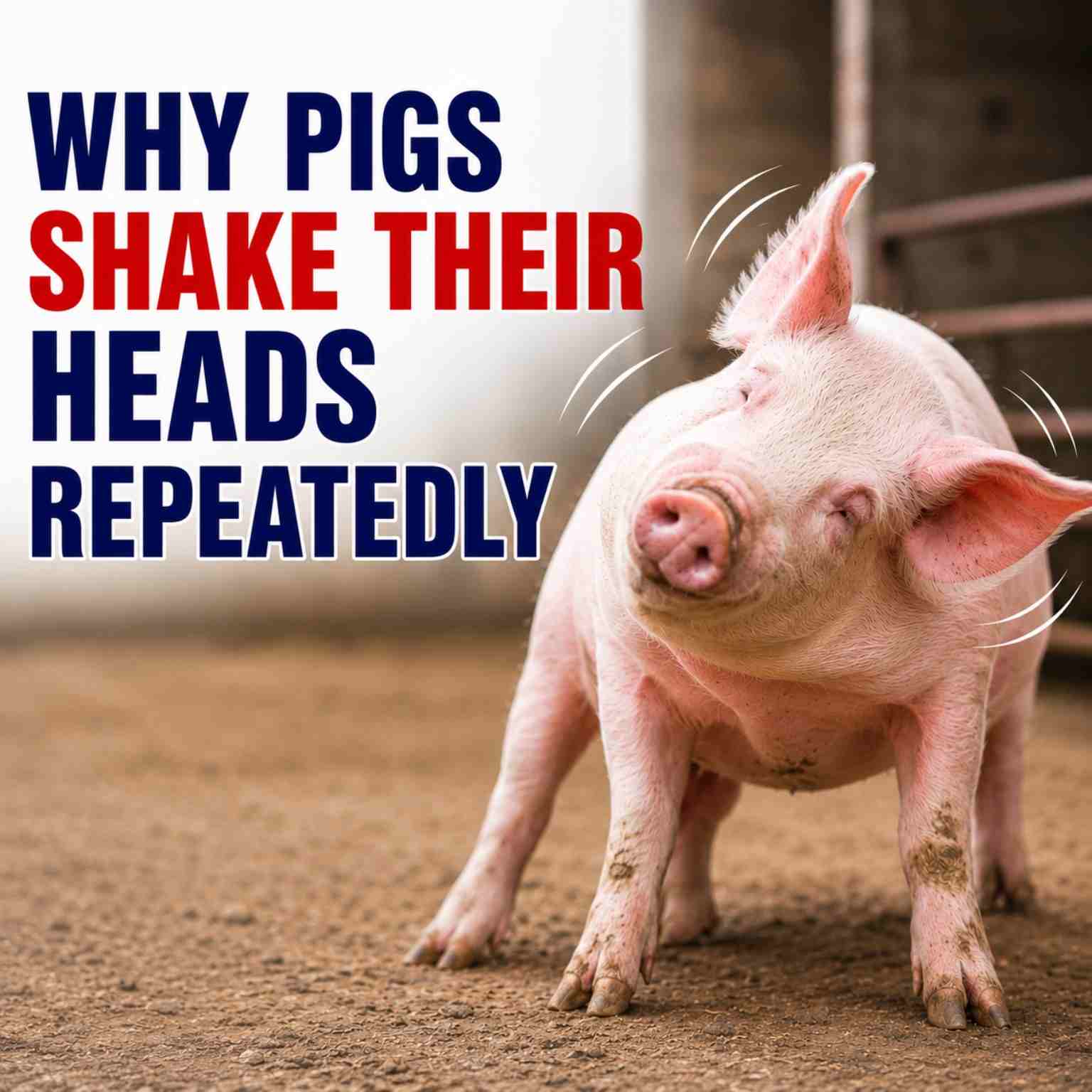
Pigs communicate discomfort and health problems through changes in behavior. One behavior that often concerns farmers is repeated head shaking. While occasional shaking may happen naturally to remove flies or dirt, continuous or aggressive head shaking usually signals irritation, pain, infection, or stress.
Ignoring this behavior can lead to worsening health problems, reduced growth performance, poor feed intake, and disease spread within the herd. In many cases, pigs that shake their heads repeatedly may also show scratching, ear damage, restlessness, or balance problems.
Understanding the possible causes helps farmers identify problems early and provide proper treatment before the condition becomes severe. This blog explains why pigs shake their heads repeatedly, the warning signs that may accompany the behavior, health risks involved, treatment options, and long-term prevention strategies for healthier pig production.
Understanding Head Shaking in Pigs
Head shaking in pigs refers to repeated side-to-side or rapid movement of the head. This behavior is usually an attempt to relieve irritation, discomfort, or pain affecting the ears, skin, nervous system, or surrounding environment.
Occasional head movement is normal, especially when pigs try to remove insects or react to sudden sounds. Frequent shaking, however, often indicates an underlying issue that requires attention.
Careful observation helps farmers determine whether the behavior is temporary or linked to a health problem.
Why Pigs Shake Their Heads Repeatedly
Ear Infections
Ear infections are one of the most common causes of repeated head shaking in pigs. Bacterial or fungal infections inside the ear create irritation, pain, and inflammation.
Affected pigs often shake their heads continuously in an attempt to reduce discomfort. Some may also tilt their heads, scratch their ears, or show swelling around the ear canal.
Dirty housing conditions, injuries, and excessive moisture can increase the risk of ear infections.
Ear Mites and Parasites
External parasites such as ear mites can severely irritate pigs. These tiny parasites feed on skin debris and cause intense itching inside the ears.
Pigs affected by mites frequently shake their heads, rub against surfaces, and scratch their ears aggressively. Over time, the skin may become thickened, crusty, or inflamed.
Parasite infestations spread quickly within groups if not controlled early.
Insect Irritation
Flies and biting insects commonly disturb pigs, especially during warm weather. Constant irritation around the ears and face may trigger repeated head shaking.
Pigs housed near wet manure or poorly cleaned areas often experience higher insect pressure. Persistent insect irritation can lead to stress and reduced comfort within the herd.
Good hygiene and insect control help reduce this problem significantly.
Skin Irritation and Allergies
Skin irritation caused by chemicals, dust, bedding materials, or allergic reactions may lead to head shaking behavior.
Pigs with skin sensitivity may also show redness, scratching, hair loss, or rubbing against walls and fences. Harsh disinfectants or poor-quality bedding sometimes trigger irritation around the head and ears.
Identifying and removing the source of irritation helps improve recovery.
Foreign Objects in the Ear
Small objects such as dirt, feed particles, straw, or plant material can enter the ear canal and cause discomfort.
Pigs may react by shaking their heads repeatedly in an attempt to remove the obstruction. In severe cases, inflammation or infection may develop if the object remains trapped inside the ear.
Careful inspection often helps identify the problem early.
Neurological Disorders
Certain nervous system disorders can affect coordination and normal movement, leading to abnormal head shaking or tremors.
Diseases affecting the brain or nervous system may also cause weakness, loss of balance, circling behavior, or unusual posture. Toxicity, infections, or injuries can contribute to neurological symptoms.
Persistent abnormal movement always requires immediate veterinary attention.
Stress and Environmental Discomfort
Stressful housing conditions may contribute to unusual behaviors in pigs. Overcrowding, poor ventilation, loud noise, or sudden environmental changes can increase irritation and restlessness.
Stressed pigs may become more reactive and display repetitive behaviors such as head shaking, biting, or excessive rubbing.
Providing a calm and comfortable environment supports better welfare and reduces stress-related behaviors.
Injuries Around the Head or Ears
Injuries may occur due to fighting, rough handling, sharp housing equipment, or aggressive pen mates. Affected pigs often avoid touch and may become withdrawn or irritable.
Prompt treatment helps prevent infection and further complications.
Signs That Accompany Head Shaking
Scratching or Rubbing the Ears
Pigs suffering from irritation often scratch their ears using their legs or rub against walls, feeders, and fences. This behavior usually indicates itching, parasites, or infection.
Redness or Swelling
Inflamed ears or skin around the head may appear red, swollen, or warm to the touch. These signs commonly suggest infection or irritation.
Ear Discharge
Fluid, pus, or foul-smelling discharge from the ears often points to bacterial infection. Severe infections may affect hearing and balance.
Head Tilting
Some pigs tilt their heads to one side when ear pain or neurological problems affect balance and coordination.
Restlessness
Affected pigs may appear uncomfortable and struggle to settle down. Constant movement and agitation are common signs of irritation or stress.
Reduced Feed Intake
Pain and discomfort may reduce appetite. Pigs experiencing severe irritation often eat less and show slower growth performance.
Loss of Balance
Neurological conditions or severe ear infections can affect coordination, causing stumbling or difficulty walking normally.
Health Risks of Ignoring Head Shaking
Severe Ear Damage
Untreated infections or parasite infestations can permanently damage the ear canal and hearing ability.
Disease Spread
Reduced Growth Performance
Pigs under stress or discomfort often eat less and convert feed less efficiently, reducing productivity.
Secondary Infections
Continuous scratching and rubbing can damage the skin, allowing bacteria to enter and cause further infection.
How to Treat Pigs That Shake Their Heads Repeatedly
Inspect the Ears Carefully
Check the ears for redness, swelling, parasites, wounds, or discharge. Early identification improves treatment success.
Treat Ear Infections Promptly
Veterinary-prescribed medications may be required to treat bacterial or fungal ear infections. Delayed treatment can worsen the condition.
Control Parasites
Use approved parasite control products to eliminate ear mites and external parasites. Clean housing areas thoroughly to prevent reinfestation.
Improve Housing Hygiene
Clean pens regularly and reduce moisture buildup. Good sanitation lowers infection risk and reduces insect populations.
Reduce Insect Exposure
Remove manure frequently and improve drainage around housing areas. Fly control measures help reduce irritation.
Isolate Severely Affected Pigs
Separating sick pigs prevents the spread of disease and allows closer monitoring during recovery.
Seek Veterinary Assistance
Persistent head shaking or neurological signs require immediate professional evaluation. Accurate diagnosis helps determine the correct treatment plan.
How to Prevent Head Shaking in Pigs
Maintain Clean Housing Conditions
Dry, clean, and well-ventilated housing reduces the risk of infections and parasites.
Implement Routine Health Checks
Regular observation helps farmers detect early signs of irritation, infection, or injury before conditions worsen.
Control External Parasites
Routine parasite management programs help prevent mite infestations and skin irritation.
Provide Proper Nutrition
Minimize Stress
Avoid overcrowding and sudden environmental changes. Comfortable pigs are less likely to develop abnormal behaviors.
Maintain Good Biosecurity
Long-Term Management Strategies
Consistent management practices help reduce health problems linked to repeated head shaking. Farmers should maintain proper hygiene, monitor pig behavior daily, and provide balanced nutrition throughout all production stages.
Accurate record-keeping helps identify recurring issues and treatment history within the herd. Using livestock management tools such as the My Piggery Manager app can simplify tracking of health treatments, feeding schedules, and animal observations.
Routine veterinary care, parasite control, and environmental management support healthier pigs and improve overall farm productivity.
Conclusion
Repeated head shaking in pigs is often a warning sign of irritation, infection, parasites, injury, or environmental stress. Ear infections and ear mite infestations are among the most common causes, though allergies, injuries, and neurological conditions can also trigger the behavior. Ignoring these signs may lead to worsening health problems, reduced growth performance, and disease spread within the herd.
Farmers should closely monitor affected pigs for symptoms such as scratching, redness, swelling, ear discharge, head tilting, or loss of balance. Early diagnosis and prompt treatment greatly improve recovery and help prevent long-term complications. Maintaining clean housing conditions, controlling parasites, reducing insect exposure, and providing balanced nutrition are essential for keeping pigs healthy and comfortable.
Strong management practices and daily observation remain critical for preventing recurring problems. Farmers who respond quickly to unusual behavior can improve animal welfare, protect productivity, and maintain a healthier and more efficient pig farming operation.
Join Our Community ()
Unlock your farm’s full potential! Say goodbye to stress and hello to efficiency. Download now!
