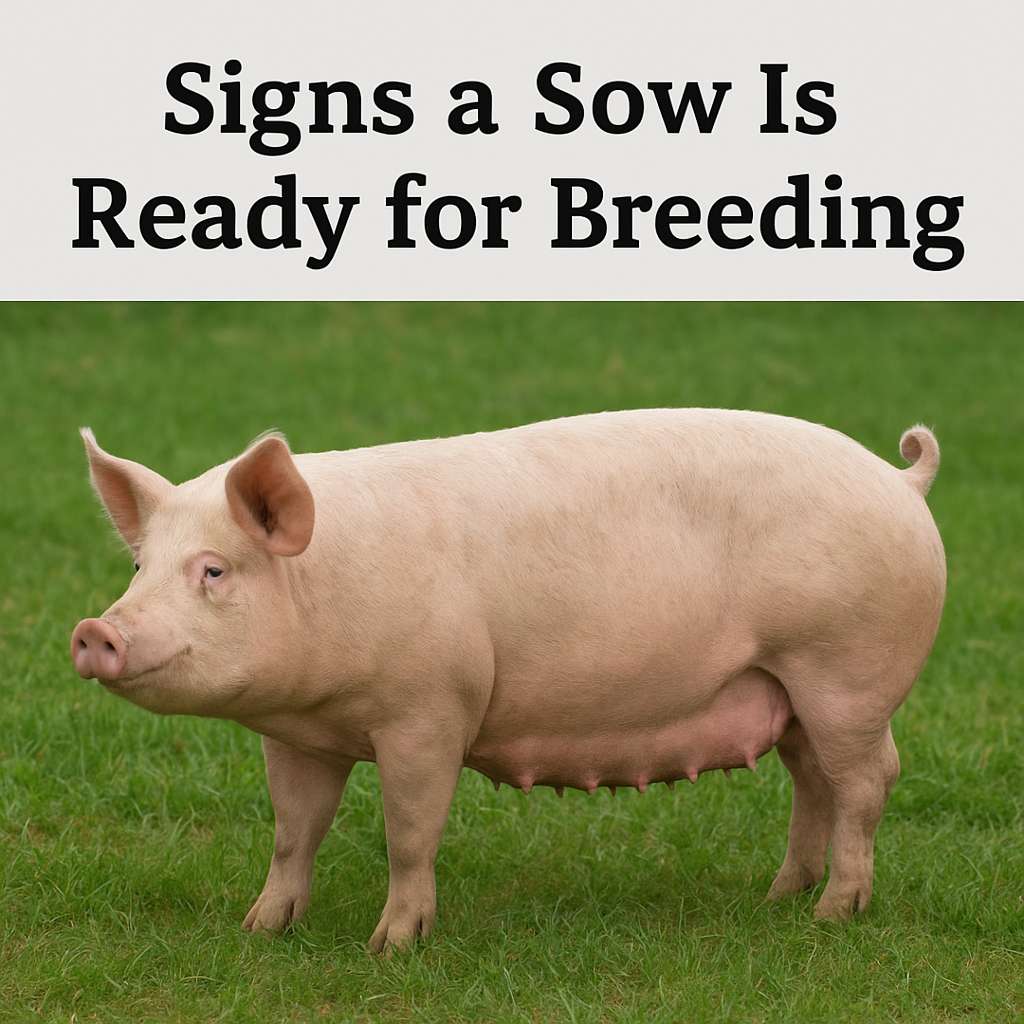
Clear Signs a Sow Is Ready for Breeding.
Your farm deserves the best. Maximize productivity, cut stress, and embrace simplicity. Get started today!
Successful pig farming depends heavily on timely and well-managed breeding. Knowing exactly when a sow is ready for mating can transform your entire production system. Every missed heat cycle delays farrowing, reduces the number of litters per year, and affects overall farm profitability.
Many farmers struggle with heat detection because the signs can be subtle or appear gradually. Learning to identify these signals with confidence gives you greater control over breeding schedules, boosts conception rates, and supports healthier litters.
This guide explains the physical changes, behavioral clues, and timing patterns that reveal when a sow is truly ready for breeding. With a clear understanding of these signs, you can manage your herd more efficiently and improve the success of your breeding program.
Understanding the Sow Heat Cycle
A sow’s reproductive cycle normally ranges between 18 and 24 days. Heat signs last for 2 to 3 days, with the standing heat stage being the best time for mating. Recognizing where the sow is within this cycle improves accuracy when scheduling natural mating or artificial insemination.
The cycle has three stages:
Proestrus
Hormones rise as the sow prepares for heat. Early signs may appear, although the sow is not ready for mating at this moment.
Estrus
This is the main heat period, where the sow becomes receptive to the boar. Most breeding should take place in this stage.
Metestrus and Diestrus
The sow leaves heat and the body prepares for pregnancy. Mating should not occur here.
Knowing these stages helps you understand the signs described below.
Key Signs a Sow Is Ready for Breeding
Restlessness and Increased Activity
One of the first signals is a change in normal behavior. The sow may pace around the pen, appear uneasy, and show interest in other pigs. She may grunt more frequently or try to escape the enclosure. These behaviors begin as hormones shift toward the heat phase.
Swollen and Reddened Vulva
A clear physical indicator is swelling around the vulva. The area becomes enlarged and takes on a bright pink or reddish color. This change is easy to observe and helps farmers identify the early part of the heat period.
Presence of Mucus Discharge
A thin, clear mucus may appear around the vulva. This mucus is a sign that the reproductive tract is ready for breeding. It also helps sperm travel effectively through the reproductive system once mating occurs.
Standing Reflex (The Most Reliable Sign)
The standing reflex is the strongest confirmation that a sow is ready for mating. When pressure is applied to her back or when a boar approaches, the sow becomes still and firm. She locks her legs and stands solidly instead of moving away. Farmers call this “standing heat,” and it is the ideal time for introducing the boar or carrying out artificial insemination.
Mounting Behavior
A sow in heat may attempt to mount other sows or stand still when mounted. This behavior reflects strong hormonal activity and signals the beginning or peak of the estrus period.
Frequent Ear Popping or Twitching
Some sows show increased ear movement or twitching. This subtle sign appears when the sow becomes sensitive to touch and external stimuli.
Increased Vocalization
Heat causes increased communication. The sow may grunt loudly, squeal more often, or respond quickly to sounds from other pigs. These vocal changes often accompany restlessness.
Seeking the Boar
Sows in heat tend to move toward the boar’s pen. They become more responsive to boar scent and sound. Some farmers use a “teaser boar” because exposure stimulates a stronger display of heat signs, making detection easier.
Decreased Appetite
Although not every sow displays this sign, some show reduced interest in feed during heat. The change in appetite happens due to hormonal shifts and increased focus on breeding behavior.
How to Confirm the Sow Is Truly in Standing Heat
Farmers can run a few simple checks to confirm readiness:
The Back-Pressure Test
Press firmly on the sow’s back or sides. If she stands firmly with rigid legs instead of moving away, she is ready for mating.
Boar Exposure Test
Bring the sow near a boar or allow the boar to approach the pen. If the sow stands solidly and shows interest in the boar while holding still, mating should begin.
Timing Assessment
Most sows show standing heat 24 to 36 hours after early signs appear. Farmers who track heat cycles on a calendar improve the success rate by predicting the best breeding window.
Best Time for Breeding a Sow
The ideal time for mating is the entire standing heat period. For sows, this period lasts 40 to 60 hours. A common schedule is:
- First service: When standing heat begins
- Second service: 12 hours later
- Third service (optional): Another 12 hours later for larger litters
Artificial insemination should follow the same timing pattern to improve conception rates.
Tips for Successful Sow Breeding
Keep Accurate Heat Records
Tracking heat dates helps predict future cycles. This reduces the chance of missing the correct breeding window.
Using My Piggery Manager makes this process easier, as the app records heat events, calculates expected return dates, and sends reminders to help you plan breeding at the optimal time.
Proper Body Condition
A sow should neither be too thin nor overweight. Balanced nutrition improves fertility and leads to healthy litters.
Minimize Stress
Stress can interfere with heat signs, delay ovulation, and weaken conception rates. Provide a calm environment during the breeding period.
Use a Mature and Active Boar
If breeding naturally, ensure the boar is healthy, energetic, and fertile. Young boars may require guidance until they gain experience.
Conclusion
Recognizing the signs that a sow is ready for breeding is one of the most important steps in efficient pig production. Clear indicators such as swollen vulva, mucus discharge, restlessness, mounting behavior, and the standing reflex help farmers identify the perfect breeding moment.
Proper timing leads to improved conception rates, stronger litters, and better farm productivity. With careful observation and planning, any farmer can achieve consistent breeding success.
Join Our Community ()
End the chaos on your farm! Our apps handle the paperwork so you can focus on what truly matters. Start today!
