How to Feed and Manage Orphan Piglets.
The future of farming is at your fingertips. Reduce stress, boost efficiency, and manage with ease. Download now!
Raising orphan piglets is a sensitive task because these young animals lack the warmth, immunity, and nutrition their mother would naturally provide. Their low body fat, high metabolic demand, and limited immunity make them vulnerable to cold stress, dehydration, scours, and infections. Successful early management requires access to colostrum or a suitable substitute, a warm and secure environment, and careful monitoring to detect any health issues before they worsen.
A structured feeding routine, strong hygiene practices, and support for early gut development greatly increase the piglets’ chances of survival. With consistent care, orphan piglets can grow at a healthy rate similar to those raised by a sow. This blog offers clear guidance on feeding and managing orphan piglets, enabling farmers to improve survival outcomes and raise stronger, healthier animals.
Feeding Orphan Piglets for Healthy Development
Feeding is the heart of orphan piglet care. Every piglet needs colostrum during the first few hours of life, since this delivers the antibodies required for early immunity. If natural colostrum is unavailable, farmers can use commercial colostrum substitutes to support the immune system and reduce early mortality.
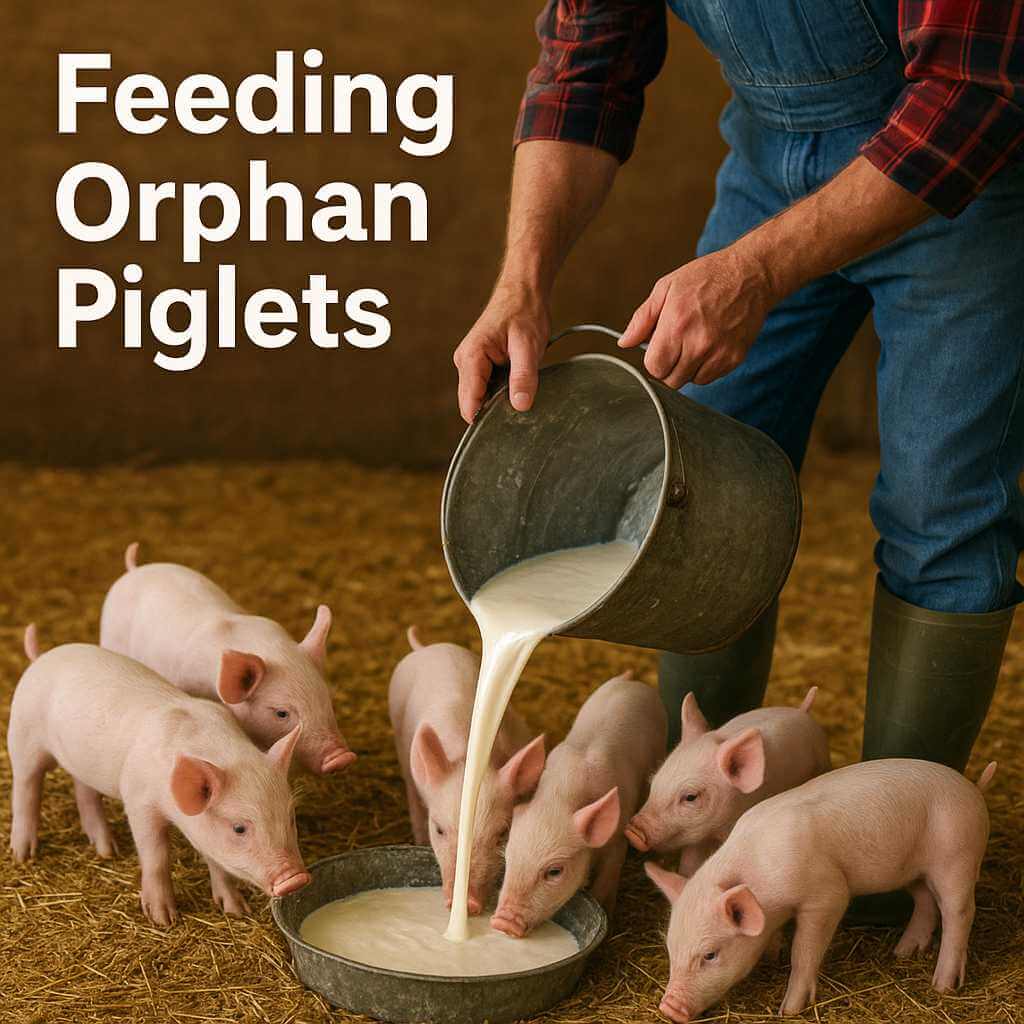
After the colostrum phase, piglets need a consistent supply of warm milk replacer. A high-quality milk replacer offers the protein, fat, vitamins, and minerals needed for growth. Feeding warm milk helps digestion and prevents chilling.
Small, frequent meals are important because piglets cannot tolerate large volumes at once. This feeding pattern prevents bloating and reduces the risk of diarrhea. As piglets gain weight, feeding volumes can be increased steadily to match their needs.
A transition to creep feed should begin around the second or third week. Early access to solid feed stimulates gut development and prepares piglets for weaning. The feed must be fresh, highly digestible, and offered in small amounts to keep piglets interested. This step supports smooth progression from milk to solid diets without digestive stress.
Creating a Warm and Safe Environment
Temperature control is crucial for orphan piglets because they cannot regulate body heat efficiently. A warm creep area maintains comfort and reduces energy loss. Heating lamps, heating mats, or insulated boxes help achieve temperatures between 30–34°C for the first week of life. As piglets grow, the temperature can be reduced slowly to match their increasing strength.
Clean and dry bedding keeps piglets comfortable and protects them from harmful bacteria. Straw, wood shavings, or soft mats can be used as bedding, provided they are kept dry at all times. Good ventilation is important for fresh air, yet the piglets must be protected from cold drafts. A stable environment supports calm behavior and promotes steady growth.
Hygiene and Disease Control
Orphan piglets are highly sensitive to infections due to limited immunity. Feeding bottles, teats, buckets, and bowls must be washed thoroughly after each feeding session. Even small traces of milk can encourage bacterial growth, which may cause digestive issues such as scouring.
Piglets must be monitored closely for signs of illness. Early warning signs include dehydration, watery stools, shivering, reduced appetite, and slow movement. Offering electrolyte solutions between feeds helps maintain hydration during mild scouring. prompt action during the early stages of illness greatly improves survival rates.
Managing Stress and Behavior
Stress reduction is an essential part of caring for orphan piglets. Gentle handling creates trust and encourages piglets to feed comfortably. When possible, raising orphan piglets in small groups supports social behavior and keeps them warm through body contact. Grouping must be monitored to prevent bullying or competition for feed.
A predictable routine supports good behavior. Consistent feeding times, familiar feeding equipment, and a stable environment help piglets adjust easily. When stress levels are low, piglets show better appetite, stronger immunity, and improved growth.
Smooth Weaning Process
Weaning should be done gradually to prevent digestive upsets. Piglets need early access to creep feed so that their digestive system becomes familiar with solid nutrients. As milk intake decreases, creep feed consumption rises, allowing for a smooth transition.
Clean drinking water must always be available. Water is essential for digestion, metabolism, and feed intake. Piglets that drink enough water adapt more quickly to solid diets. Once the piglets consistently eat creep feed and maintain strong growth, milk feeding can be reduced until complete weaning is achieved.
Using Record-Keeping to Improve Piglet Care
Accurate records help farmers identify feeding patterns, weight changes, health issues, and growth performance. Tracking daily intake and behavior makes it easier to adjust feeding schedules and spot early signs of disease. Tools like My Piggery Manager allow farmers to store and track important data for each piglet, creating a clear overview of progress and challenges. Proper record-keeping supports better decisions and improves survival outcomes for orphan piglets.
Practical Ways to Boost Orphan Piglet Survival
Improving the survival rate of orphan piglets requires a combination of early nutrition, disease prevention, environmental management, and consistent supervision. Survival begins with ensuring that every piglet receives colostrum or a reliable alternative within the first hours of life, since this early immune boost greatly reduces the risk of infections.
Feeding schedules must remain consistent, with warm milk replacer offered at regular intervals to maintain energy levels and prevent hypoglycemia. Piglets that are weak or unable to suckle properly may benefit from tube feeding under guidance, which helps deliver the nutrients they urgently need.
Maintaining the correct temperature is equally essential. Orphan piglets burn energy quickly and are prone to chilling, so providing a warm creep area with no drafts helps stabilize their body temperature.
Clean bedding, dry flooring, and good ventilation keep harmful bacteria to a minimum. Regular health checks allow farmers to detect scours, dehydration, or respiratory issues early. Prompt treatment, electrolyte support, and appropriate medication greatly improve recovery rates.
Managing piglets in small, supervised groups reduces bullying and encourages piglets to feed and rest calmly. When these simple but effective steps are applied consistently, orphan piglets develop stronger immunity, better weight gain, and a much higher chance of thriving through weaning.
Conclusion
Caring for orphan piglets involves dedication, patience, and structured management. These piglets rely on farmers for nutrition, warmth, hygiene, and protection during their most vulnerable stage. A well-planned feeding routine, a warm and clean environment, early disease detection, and consistent record-keeping create the foundation for successful growth. Although raising orphan piglets requires extra effort, the results are rewarding when the piglets grow into strong, healthy pigs with excellent potential.
Join Our Community ()
Unlock your farm’s full potential! Say goodbye to stress and hello to efficiency. Download now!
