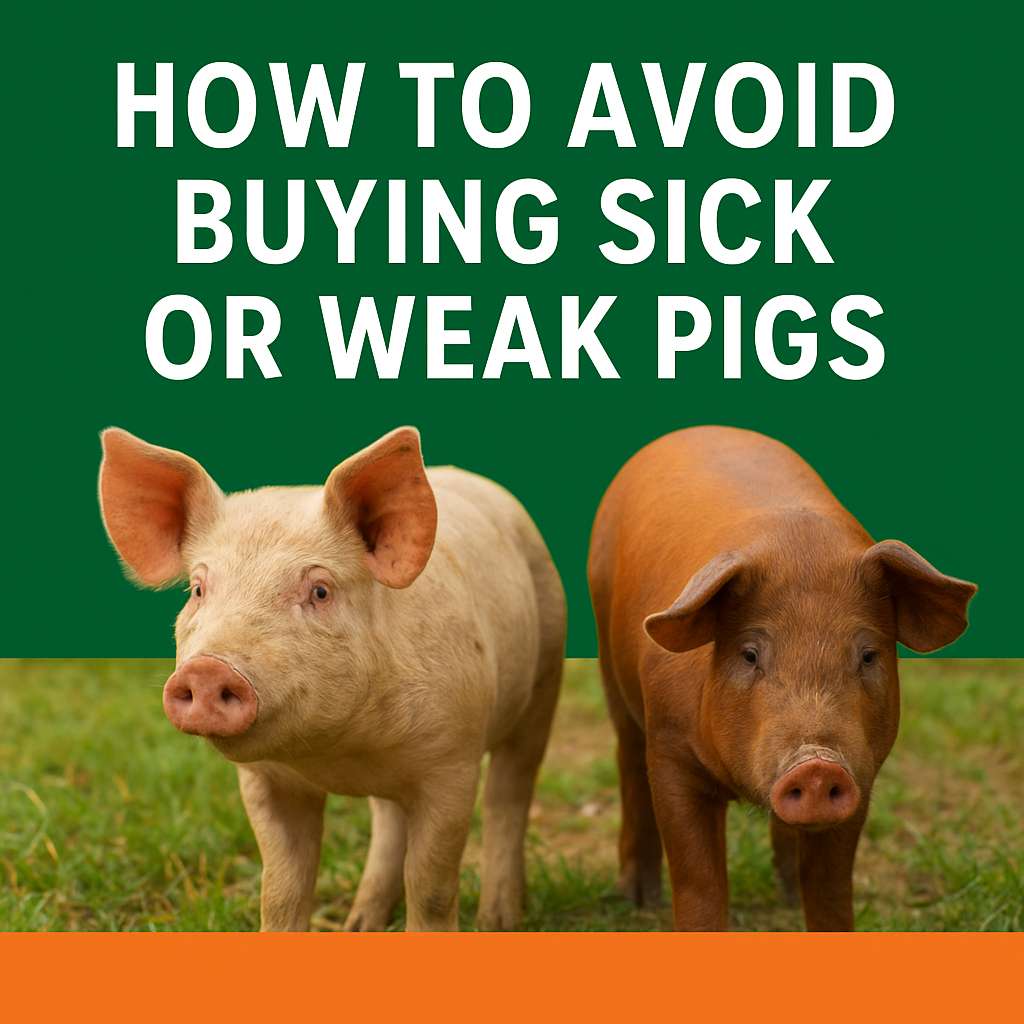
How to Avoid Buying Sick or Weak Pigs.
Paperwork stealing your peace? Reclaim your time and energy with our farmer-focused apps. Download now!
Pig farming becomes profitable when you start with healthy stock. Many farms struggle because pigs enter the system with hidden infections, poor body condition, or congenital issues that limit their growth. These animals often fail to catch up even with good feeding.
A healthy pig should show vitality, normal posture, clear eyes, smooth breathing, and a strong appetite. If you learn how to inspect and evaluate pigs before buying them, you reduce unnecessary farm expenses and improve long-term performance.
This blog focuses on what to observe, questions to ask, checklists to follow, and red flags that signal you should walk away from a purchase. Experienced farmers use these same steps every time they buy piglets, growers, or breeding stock.
Choose a Trusted and Reputable Supplier
The first secret to avoiding sick pigs is choosing the right seller. A breeder with a good reputation prioritizes biosecurity, nutrition, and proper record-keeping. Healthy pigs come from farms with clean housing, disease control measures, and controlled breeding programs.
When choosing a supplier, look for farmers who keep detailed inventory records, vaccination schedules, deworming histories, and weight monitoring. A reliable breeder is transparent and does not hide any health challenges experienced on the farm.
Avoid sellers who refuse to allow you to inspect their farm environment. A farm that looks dirty, overcrowded, or poorly ventilated is likely to produce weak animals. Always ask how often sick pigs appear on the farm and how they manage such situations.
Observe the Behavior of the Pigs
Healthy pigs are alert and active. They respond quickly to movement, noise, and new visitors. When you enter the pen, they should stand up, walk toward you, and show natural curiosity. Weak or sick pigs often remain lying down, react slowly, or appear uninterested in their surroundings. Behavior is one of the first indicators that something may be wrong.
Watch how the pigs move. A healthy pig stands firmly with balanced weight on all four legs. Any pig that limps, staggers, or shows an arched back could be dealing with lameness, joint infections, foot injuries, or spinal problems. These pigs require treatment and should not be purchased for breeding or fattening. Natural behaviour tells you what the body hides.
Check the Body Condition Score
Body condition is a direct reflection of nutrition, health, and management. A good pig should have a smooth and even body outline. The ribs should not be visible, and the pig should not appear thin or stunted. Piglets that look underweight usually struggle with internal parasites, weaning stress, or chronic infections.
Examine the skin and hair. Healthy pigs have smooth skin, clean hair, and no bald patches. Rough hair, dry skin, or visible scars are warning signs of lice infestation, mange, or nutrient deficiencies. A pig with skin sores may require long-term treatment, which increases your costs.
Make sure the pig has a well-filled belly that does not sag. A pot-bellied appearance can indicate worm infestation. Investing in a healthy body condition saves you time and money on medication and ensures the pig grows well in your farm environment.
Inspect the Eyes, Nose, and Ears
A pig’s facial features reveal its overall health. The eyes should be bright and free from discharge. Any pig with swollen eyelids, tearing, or sunken eyes may be dehydrated or suffering from an infection. Clear eyes signal vitality.
Check the nose for wet mucus, blood, or crusting. Sneezing, coughing, or noisy breathing is often linked to respiratory diseases like pneumonia or influenza. Respiratory infections spread quickly and cause major losses in pig units.
The ears should stand firm without foul smell or excessive wax. A pig scratching its ears repeatedly may be dealing with mange mites or ear infections. Selecting pigs with distinct facial features provides a healthier foundation for your herd.
Examine the Umbilical Area and Genitals
Many farmers skip this step, yet it is extremely important. Check the umbilical area for swelling or hernias. Umbilical hernias weaken internal muscle structure and reduce the pig’s ability to grow properly. Surgical correction is expensive, and such pigs are not ideal for breeding.
Inspect the genital area. Male piglets should have both testicles descended. Retained testicles affect fertility and future breeding. Female piglets should have a normal vulva structure without swelling or discharge. Reproductive problems are costly and affect the long-term productivity of your farm.
Look at the Pig’s Breathing Pattern
Healthy pigs breathe quietly and evenly. Watch the pig while it stands and moves. Rapid breathing, open-mouth breathing, coughing, or wheezing should raise concern. These signs often indicate respiratory infections caused by bacteria, viruses, or dusty environments.
A pig with respiratory difficulty requires medication and extra care, which increases operating costs. Such pigs may also spread disease to your entire herd. Selecting pigs with healthy lung function reduces future risks.
Examine the Mouth and Teeth
The mouth area tells you a lot about a pig’s ability to feed and gain weight. The gums should be pink, and the mouth should not show signs of sores or bruising. A pig with oral lesions may be experiencing viral infections, injury, or nutritional deficiencies.
Check if the pig sucks or chews feed normally. Pigs with misaligned jaws, overgrown teeth, or mouth injuries struggle to eat. Poor feed intake delays growth and increases farm expenses. Choosing pigs with a healthy mouth ensures efficient feeding.
Ask for Health Records
Always request vaccination and deworming history. A responsible seller keeps updated medical records for every pig. These records document the vaccines administered, deworming dates, treatments performed, and any past illnesses.
A pig without proper vaccination is more vulnerable to diseases like African swine fever, classical swine fever, erysipelas, and respiratory infections. Having the health records also helps you continue the right schedule once the pigs arrive on your farm.
Avoid Buying Pigs From Markets or Roadside Sellers
Pigs sold in open markets are often stressed, exposed to multiple handlers, and mixed with animals from different farms. These pigs face a higher risk of disease transmission. Roadside sellers may offer cheap prices, yet the animal quality is usually low. Stress greatly affects immunity. Buying from such environments increases the risk of introducing infections to your farm.
Choosing pigs directly from a clean, biosecure farm is a better long-term investment. A low-price pig can turn into a high-expense burden when treatments and mortality begin.
Quarantine New Pigs Before Mixing Them With Your Herd
Even the healthiest-looking pig can carry hidden infections. Always isolate new pigs for 10–14 days before introducing them to the main herd. Quarantine gives you time to observe behavior, appetite, breathing, and stool consistency. You can also deworm and vaccinate the pigs during this period.
This simple step protects your existing animals and ensures that new pigs adapt slowly to the farm environment. Many farms avoid disease outbreaks through effective quarantine practices.
Conclusion
Buying healthy pigs sets the foundation for a productive and profitable pig farming operation. The time you spend inspecting each animal saves you from unnecessary losses and high veterinary costs. Focus on behavior, body condition, breathing patterns, skin health, eye clarity, and reproductive organs. Request accurate health records and choose suppliers who prioritize hygiene and biosecurity. Maintain a strict quarantine policy and trust your instincts when something feels wrong.
Healthy pigs grow faster, respond better to feeding programs, and return higher profits. Following the steps in this guide helps you make confident purchasing decisions and build a strong, disease-resistant herd that supports long-term success.
Join Our Community ()
Your farm, your rules. Ditch the paperwork and take control with our intuitive apps. Get started today!
