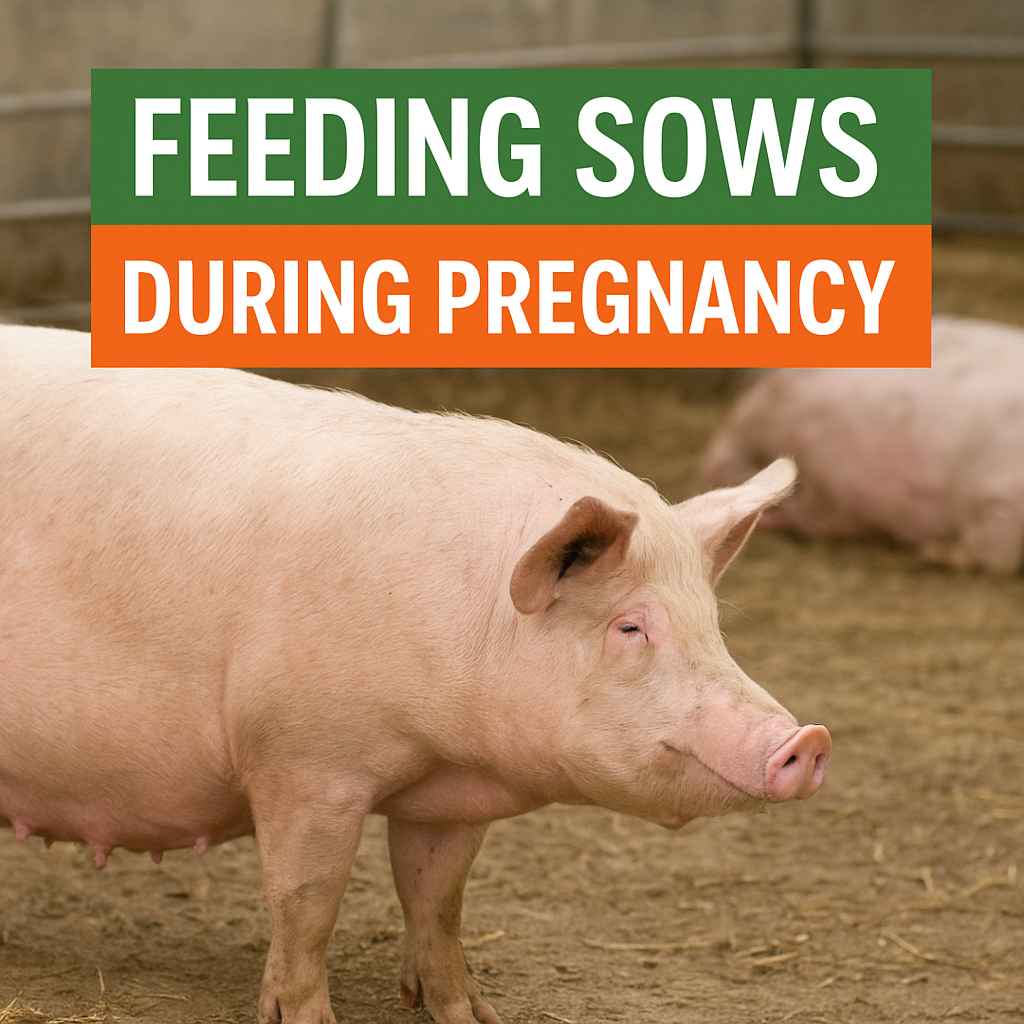
Feeding Strategies for Sows During Pregnancy.
Farming smarter isn’t a dream—it’s a tap away. Organize, automate, and grow with our apps. Start today!
Pregnant sows require thoughtful nutrition management during each phase of gestation. Their needs shift from early pregnancy to late pregnancy, which means feed quantity, feed quality, and nutrients must be adjusted carefully.
Proper feeding prevents issues such as over-conditioning, under-conditioning, constipation, stillbirths, and low milk output. Many farmers struggle with inconsistency in piglet birth weight and sow recovery after farrowing, yet these challenges can be solved with practical feeding strategies.
This article explores the best nutritional approaches, feeding plans, energy needs, protein balance, mineral supplementation, water requirements, and body condition scoring methods. These techniques strengthen reproductive performance and ensure that each sow remains productive throughout her breeding life.
Understanding Nutritional Needs During Pregnancy
Pregnancy in sows lasts about 114 days. During this period, the sow’s body undergoes many changes that influence how feed is used. Early pregnancy focuses on embryo implantation and stabilization. Mid-pregnancy supports steady fetal growth. Late pregnancy prepares the sow for farrowing and milk production.
Energy requirements remain moderate for the first two-thirds of gestation. Excessive feeding early in pregnancy encourages fat accumulation, which leads to farrowing difficulties. Late pregnancy demands more nutrients because the fetuses grow rapidly during the final 30 days. Balanced feeding supports fetal development without creating overweight sows.
Importance of Body Condition Scoring (BCS)
Body Condition Scoring helps farmers decide how much feed a sow requires at different stages of gestation. A score between 3.0 and 3.5 on a five-point scale is ideal during pregnancy. Sows below this range need extra feed to build reserves for lactation. Sows above this range require controlled feeding to avoid farrowing complications.
BCS also helps identify nutritional problems early. Thin sows often produce weak piglets and struggle through lactation. Overweight sows usually have lower appetite after farrowing and tend to crush piglets due to reduced mobility. Maintaining an ideal score improves farrowing success and piglet survival.
Energy Requirements for Pregnant Sows
Energy is one of the most important components of gestation feed. Sows use energy for maintenance, movement, fetal development, and preparing the body for milk production. Feeding too much energy creates fat sows. Feeding too little weakens the sow and slows fetal development.
A moderate energy diet during early pregnancy supports implantation and embryo survival. In late pregnancy, the energy level should increase slightly to support rapid fetal growth. Using controlled feeding systems or daily measured rations helps prevent irregular intake and ensures consistent energy supply.
Protein and Amino Acid Requirements
Protein supports tissue growth, fetal development, and reproductive organ function. Lysine is the most important amino acid for pregnant sows. A typical gestation ration should contain around 0.6% to 0.7% lysine, depending on sow size and parity.
Insufficient protein leads to smaller litters, lower weaning weights, and slower post-farrowing recovery. Too much protein increases feeding costs without improving performance. Balanced protein levels ensure strong piglet development and a healthy sow during farrowing.
Good protein sources include soybean meal, fish meal, legume-based feeds, and high-quality commercial rations.
Fiber Intake for Digestive Health
Fiber plays a major role in sow comfort during pregnancy. High-fiber diets reduce aggression, hunger, stress, and constipation. Constipation increases the risk of stillbirths. Fiber improves gut motility and creates a slow-release energy effect.
Feed ingredients such as wheat bran, rice bran, beet pulp, alfalfa, and green forages can improve fiber levels. Many farms use blended diets that combine high-energy materials with high-fiber ingredients to support digestive health.
Minerals and Vitamins Required During Pregnancy
A pregnant sow needs a rich supply of minerals and vitamins to support bone formation, immune function, blood health, and milk production.
Key minerals include calcium and phosphorus for strong skeletal development, iron for effective oxygen transport, selenium for immune strength, and zinc for reproductive health. These nutrients work together to support both the sow and the developing litter.
Important vitamins include vitamin A, D, E, and the B-complex group, which contribute to growth, metabolism, and overall reproductive performance.
Mineral deficiencies during pregnancy can lead to weak piglets, poor immunity, and skeletal deformities. These issues affect survival rates and long-term productivity. Using premixed mineral supplements helps farmers achieve balanced nutrient delivery with accuracy and consistency, ensuring that each pregnant sow receives what she needs for healthy gestation and successful farrowing.
Water Intake and Hydration
Water intake often gets overlooked, yet it is essential for pregnant sows. Water helps maintain digestion, nutrient absorption, and temperature regulation. Dehydration raises the risk of constipation and low feed intake.
A pregnant sow should have access to clean, fresh water at all times. Automatic drinkers work well if they are cleaned frequently. Water should flow easily and should not be restricted.
Feeding Strategies for Early Pregnancy
During the first 30 days, the risk of embryo loss is high. Stress, overfeeding, and poor nutrition affect implantation. Feeding should remain controlled to avoid rapid weight gain. A stable environment and a balanced ratio protect early embryo development.
Feed levels should remain steady without drastic changes. Sudden diet shifts often disrupt hormonal balance and increase the chance of early pregnancy failure.
Feeding Strategies for Mid-Pregnancy
Mid-pregnancy covers days 30 to 80. Embryo development begins to stabilize, and nutrient demands remain moderate. This is the best period to correct body condition issues.
Thin sows can be increased to a slightly higher ratio. Fat sows should be placed on controlled feeding to avoid more weight gain. A balanced mixture of energy, fiber, and protein supports steady fetal growth without stressing the sow.
Feeding Strategies for Late Pregnancy
Late pregnancy requires close attention. Most fetal growth occurs during the final four weeks, so nutrient needs rise. Increasing feed levels by 10–20% supports fetal growth and prepares the sow for lactation.
Avoid sudden large increases because they cause digestive discomfort. A gradual rise helps maintain a stable appetite. Feeding schedules should focus on distributing the daily ration to prevent overeating and constipation.
Including fiber-rich ingredients supports smooth digestion and reduces farrowing challenges. Offering energy-dense feed near farrowing supports strong milk production in early lactation.
Feeding Frequency and Feeding Systems
You can feed pregnant sows once or twice daily, depending on your system. Many farms prefer twice-daily feeding since it improves digestion and reduces hunger stress. Automatic feeders work well in group-housing systems.
Each sow should receive her correct ration without competition. Dominant sows usually take more feed, leaving weaker sows underfed. Using feeding stalls or partitions ensures fairness and improves overall herd performance.
Importance of Monitoring and Record-Keeping
Detailed records help track feed intake, body condition, weight changes, and reproductive performance. Monitoring helps you adjust feeding levels early before issues become severe. A digital tool such as My Piggery Manager helps farmers organize these details in one place, making it easier to follow feeding trends and pregnancy progress.
Record-keeping also helps identify feed-related challenges such as poor weight gain, repeated stillbirths, or low milk yield. A structured feeding plan becomes more effective when backed by accurate data, and having these records well organized supports better decision-making throughout gestation.
Conclusion
Feeding sows during pregnancy requires a clear understanding of nutrient needs, body condition management, and changes that occur during each gestation stage. Balanced feeding supports strong embryos, good fetal development, and smooth farrowing. A sow that receives the right nutrition gives birth to vigorous piglets and recovers more quickly for the next breeding cycle.
By applying the feeding strategies in this guide, farmers can improve productivity, reduce losses, and create a stable breeding system. Proper feeding is one of the strongest investments you can make in your sow herd.
Join Our Community ()
Empower your farm and your life! Simplify tasks, save time, and grow smarter. Download our apps today!
