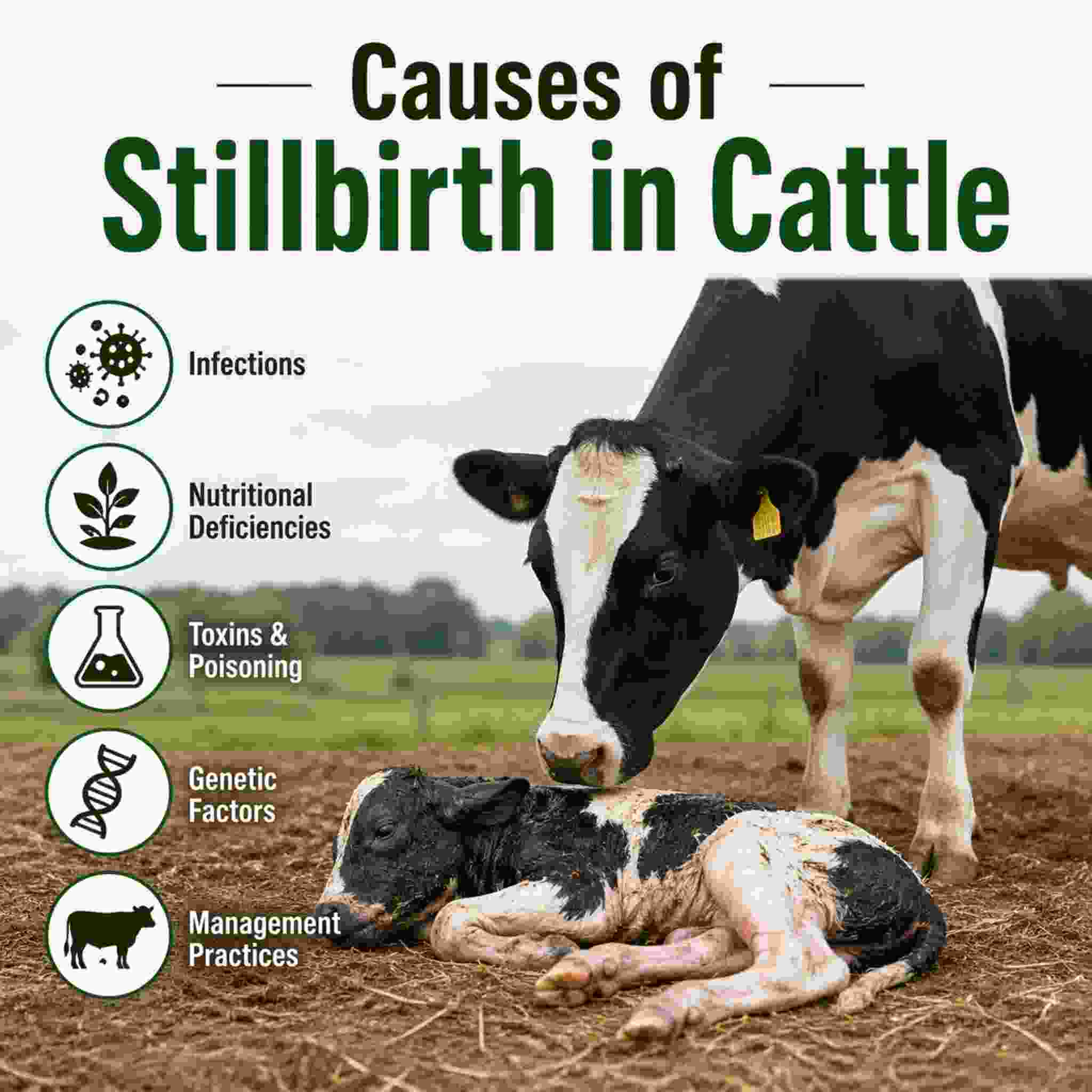
Common Causes of Stillbirth in Cattle.
Save time, reduce mistakes, and enjoy farming again. Our apps make it possible. Get started today!
Stillbirth in cattle is a serious concern for farmers, as it leads to economic loss, emotional stress, and reduced herd productivity. A stillborn calf is born dead at or near full term, often after a long gestation period where significant resources have already been invested. Understanding why stillbirth occurs is essential for improving calving outcomes and maintaining herd health.
Many cases of stillbirth can be traced to preventable causes such as poor nutrition, infections, or improper calving management. When farmers recognize the risk factors early and take appropriate action, they can greatly reduce the occurrence of stillbirths and improve overall farm efficiency.
What Is Stillbirth in Cattle?
Stillbirth refers to the delivery of a calf that is born dead after a full-term pregnancy or dies shortly before or during birth. In many cases, the calf appears fully developed, which indicates that the problem occurred late in gestation or during the calving process.
Stillbirth rates can vary depending on farm management, breed, and environmental conditions. First-time calving cows, known as heifers, tend to have a higher risk due to inexperience and smaller pelvic size.
Difficult Calving (Dystocia)
One of the leading causes of stillbirth in cattle is difficult calving, commonly known as dystocia. This occurs when the calf is too large, improperly positioned, or when the cow’s pelvis is too small to allow easy delivery.
Prolonged labor can reduce oxygen supply to the calf, leading to suffocation before or during birth. In many cases, delayed assistance worsens the situation, increasing the chances of losing the calf. Proper monitoring during calving and timely intervention are essential to reduce this risk.
Poor Nutrition During Pregnancy
Inadequate nutrition during pregnancy can significantly increase the risk of stillbirth. Cows that do not receive enough energy, protein, vitamins, and minerals may give birth to weak or underdeveloped calves.
Deficiencies in important nutrients such as selenium, vitamin E, and calcium can affect fetal development and increase complications during calving. Poor body condition in the cow can also reduce her ability to deliver the calf successfully.
Infectious Diseases
Infections are a major cause of stillbirth in cattle. Diseases such as Brucellosis, Leptospirosis, and Bovine Viral Diarrhea can lead to fetal death during pregnancy.
These infections may spread through contaminated feed, water, or contact with infected animals. In some cases, cows may not show clear symptoms, making it difficult to detect the problem until a stillbirth occurs. Maintaining a strong vaccination and biosecurity program is essential to control these diseases.
Prolonged Gestation
When a cow carries a calf beyond the normal gestation period, the risk of stillbirth increases. Overdue calves may grow too large, making delivery more difficult.
Extended gestation can also affect placental function, reducing the supply of oxygen and nutrients to the calf. This can lead to fetal distress and death before birth.
Placental Problems
The placenta is responsible for supplying oxygen and nutrients to the developing calf. Any issue affecting the placenta can result in stillbirth.
Conditions such as placental separation or poor attachment can cut off the oxygen supply to the fetus. When this happens, the calf may die before or during the calving process.
Genetic Factors
Genetics can influence the likelihood of stillbirth in cattle. Certain breeds or bloodlines may have a higher risk due to larger calf size or inherited reproductive issues.
Selective breeding without proper planning can increase the chances of complications. Using bulls with appropriate birth weight traits helps reduce the risk of difficult calving and stillbirth.
Environmental Stress
Stressful environmental conditions can negatively affect pregnant cows. Extreme heat, poor housing, overcrowding, and lack of proper ventilation can increase stress levels and impact fetal development.
Stress can weaken the cow’s immune system, making her more susceptible to infections and complications that may lead to stillbirth.
Lack of Proper Calving Management
Poor supervision during calving is a common cause of stillbirth. When cows are left unattended during labor, complications may go unnoticed until it is too late.
Timely assistance is critical, especially in cases of difficult calving. Farmers should monitor cows closely as they approach calving and be prepared to intervene or seek veterinary help when necessary.
Benefits of Reducing Stillbirth in Cattle
Reducing stillbirth in cattle leads to higher calf survival, which directly improves herd growth and productivity. Each live calf represents future income through meat, milk production, or breeding potential, making survival at birth extremely valuable for farm success.
Lower stillbirth rates also reduce financial losses associated with wasted feed, veterinary care, and labor invested during pregnancy. When more calves are born alive, farmers gain better returns on the resources already spent on managing pregnant cows.
Improved calving outcomes support better reproductive efficiency in the herd. Cows that deliver healthy calves tend to recover faster and return to heat sooner, which helps maintain regular breeding intervals and consistent production cycles.
Reducing stillbirth enhances animal welfare by minimizing stress and complications during calving. Healthier cows experience fewer injuries and infections, leading to longer productive lives and reduced treatment costs.
A lower stillbirth rate strengthens overall herd performance. It leads to more uniform calf crops, better growth rates, and improved long-term genetic progress, which contributes to a more sustainable and profitable cattle farming system.
Practical Prevention Strategies of Stillbirth in Cattle
Stillbirth in cattle is a major reproductive loss that reduces farm productivity and future herd growth. Most cases can be prevented when farmers focus on proper nutrition, health management, and good calving practices throughout pregnancy. Below are practical prevention strategies, each explained in a single paragraph.
Balanced Nutrition During Pregnancy
Proper feeding during pregnancy is one of the most important ways to prevent stillbirth in cattle. Pregnant cows need a balanced diet that provides enough energy, protein, vitamins, and minerals to support both the cow and the developing calf. Poor nutrition can lead to weak calves that cannot survive birth, while excessive feeding may cause oversized calves that are difficult to deliver. Minerals like selenium, calcium, phosphorus, and zinc are especially important for muscle strength, immunity, and fetal development. A well-planned feeding program based on the pregnancy stage helps ensure healthy calving outcomes.
Proper Body Condition Management
Maintaining the right body condition score during pregnancy helps reduce calving complications and stillbirth risk. Cows that are too thin may lack the strength and nutrients needed for proper fetal growth, while overly fat cows often experience difficult labor due to fat accumulation around the birth canal. Monitoring body condition regularly allows farmers to adjust feed gradually and keep cows in an ideal range throughout gestation. Consistency in body condition ensures smoother calving and healthier calves.
Disease Prevention and Vaccination
Infectious diseases are a hidden but serious cause of stillbirth in cattle, as they can affect the fetus directly or weaken the cow during pregnancy. Diseases such as brucellosis, leptospirosis, and viral infections can lead to abortion or stillbirth if not controlled. A proper vaccination program designed with veterinary guidance helps protect cows before and during pregnancy. Maintaining biosecurity, isolating sick animals, and reducing contact with contaminated environments also play a major role in preventing disease-related reproductive losses.
Parasite Control and Herd Health
Internal and external parasites reduce the overall health of pregnant cows by lowering nutrient absorption and increasing stress levels. This weakens the cow and indirectly affects fetal growth, increasing the risk of stillbirth or weak calves. Regular deworming at appropriate stages of pregnancy, along with control of ticks and lice, helps maintain good health. Healthy cows are more likely to carry a pregnancy successfully and deliver strong calves without complications.
Monitoring Pregnancy and Early Detection
Regular pregnancy monitoring allows farmers to track fetal development and identify problems early. Techniques like veterinary palpation or ultrasound help confirm that the fetus is developing normally. Early detection of abnormalities such as fetal death, infections, or abnormal growth gives time for intervention and better management decisions. Observing changes in appetite, behavior, or discharge also helps identify risks before they become serious. Consistent monitoring improves overall reproductive success.
Calving Management and Assistance
Proper calving management is essential to prevent stillbirth, especially during difficult deliveries. Cows should be moved to clean, comfortable calving areas where they can give birth safely with minimal stress. Close observation during labor helps detect problems early, such as prolonged delivery or abnormal calf positioning. Assistance should be provided carefully and only when necessary to avoid injury to both cow and calf. Clean hands and equipment are important to prevent infection during assisted calving.
Stress Reduction in Pregnant Cows
Stress during pregnancy can negatively affect hormonal balance and fetal development, increasing the risk of stillbirth. Factors such as overcrowding, rough handling, sudden changes in feed, transport, and extreme weather conditions can all contribute to stress. Providing a calm environment, stable feeding routines, and sufficient space helps keep cows relaxed throughout pregnancy. Gentle handling and avoiding unnecessary disturbances ensure better pregnancy outcomes and healthier calves.
Genetic Selection and Breeding Management
Genetics play an important role in calving outcomes, as some animals are more prone to producing oversized calves or experiencing difficult births. Using bulls with good calving ease traits reduces the chances of dystocia and stillbirth. Avoiding repeated breeding from cows with a history of calving problems also helps improve herd performance. Proper record-keeping of breeding and calving history supports better genetic selection decisions over time.
Clean and Hygienic Housing Conditions
A clean environment is essential for preventing infections that may lead to stillbirth in cattle. Dirty or wet housing increases exposure to bacteria and parasites that can affect both the cow and the unborn calf. Regular cleaning, proper drainage, and dry bedding help maintain hygiene and reduce disease pressure. Good ventilation also supports respiratory health and overall immunity. A clean calving area ensures safer delivery conditions.
Mineral and Vitamin Supplementation
Deficiencies in essential minerals and vitamins are common causes of weak calves and stillbirth. Nutrients such as selenium, vitamin E, calcium, and phosphorus are critical for fetal development, muscle function, and immune strength. Supplementation through feed or injections helps prevent deficiencies, especially in areas where soil and forage are low in minerals. Regular supplementation ensures proper growth of the fetus and reduces the risk of weak or stillborn calves.
Conclusion
Stillbirth in cattle is a multifactorial problem influenced by nutrition, infectious diseases, genetics, environmental stress, and calving management practices. Each of these factors can independently or together affect fetal survival and lead to economic and productive losses for the farmer.
Reducing stillbirth requires a consistent and preventive approach throughout the entire pregnancy period. Proper feeding, strong vaccination programs, parasite control, clean housing, and careful monitoring of pregnant cows play a major role in ensuring healthy calf delivery. Attention during calving and timely intervention in difficult cases further improve survival rates.
When farmers apply these practices in a structured way, they can significantly reduce stillbirth occurrences, improve calf survival, and strengthen overall herd performance. A well-managed herd not only delivers more live calves but also ensures long-term productivity, profitability, and sustainability in cattle farming.
Join Our Community ()
Your farm deserves the best. Maximize productivity, cut stress, and embrace simplicity. Get started today!
