Why Your Goats Are Losing Weight and How to Fix It.
Imagine a farm where everything runs smoothly. Make it real—download our revolutionary apps now!
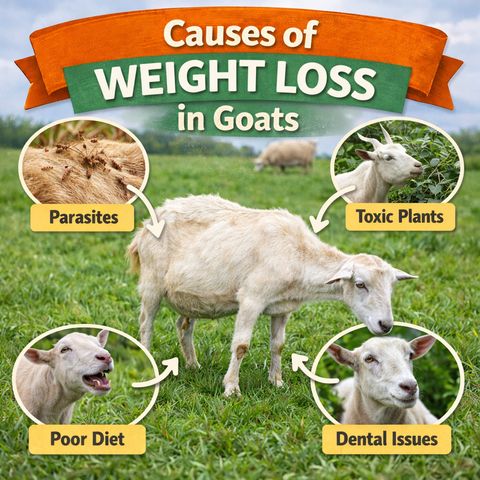
Weight loss in goats is one of the most common challenges faced by goat farmers. A drop in body condition affects milk production, growth rate, fertility, and overall herd profitability. In severe cases, unexplained weight loss can lead to long-term health complications or death. For small-scale and commercial goat farming operations, maintaining proper body condition is essential for consistent production and financial stability.
Understanding why goats lose weight requires careful observation, proper management, and knowledge of common health issues. Some causes develop slowly over time, while others appear suddenly due to disease or environmental stress.
This guide explains the main reasons goats lose weight and provides practical solutions that farmers can apply immediately to restore herd health and improve performance.
Poor Nutrition and Inadequate Feeding
One of the primary causes of weight loss in goats is poor nutrition. Goats require a balanced diet that includes energy, protein, fiber, vitamins, and minerals. When feed quality is low or quantity is insufficient, goats begin using body fat and muscle for energy, leading to gradual weight loss.
Low-quality pasture, overgrazed land, and dry-season feed shortages often reduce nutrient intake. Feeding only rough hay without protein supplementation can also limit growth and milk production. Lactating does and growing kids have higher nutritional demands, making them more vulnerable to weight loss.
How to Fix It
Provide high-quality forage such as fresh pasture or leafy hay to ensure goats receive adequate fiber and essential nutrients for proper digestion and energy. When pasture quality declines or production demands increase, supplement the diet with protein-rich feeds like soybean meal or a well-balanced commercial goat concentrate to support growth, milk production, and overall body condition.
Offer mineral blocks formulated specifically for goats to prevent nutrient deficiencies that can limit performance and health. Always ensure clean, fresh water is available, as proper hydration improves feed intake and nutrient absorption. Regular body condition scoring allows farmers to evaluate whether feeding programs are meeting herd requirements and make timely adjustments when necessary.
Internal Parasites (Worm Infestation)
Internal parasites are a leading cause of weight loss in goats worldwide. Worms such as gastrointestinal nematodes damage the digestive tract and reduce nutrient absorption. Infected goats often appear thin even when eating normally.
Common signs of internal parasite infestation in goats include pale eyelids indicating anemia, a rough or dull hair coat, diarrhea, general weakness, and swelling under the jaw known as bottle jaw. These symptoms signal that the parasites are affecting nutrient absorption and overall health, and prompt intervention is needed to prevent further weight loss and complications.
Parasite problems worsen during warm and wet seasons when pasture contamination increases.
How to Fix It
Implement a strategic deworming program based on fecal testing to treat only goats that need it, preventing drug resistance and ensuring effective parasite control. Rotating pastures reduces parasite buildup in grazing areas, lowering the overall infection risk for the herd. Avoid overstocking pastures, as overcrowding increases contamination and facilitates parasite transmission.
Separating young or vulnerable goats from heavily contaminated fields protects them from heavy parasite loads. Monitoring eyelid color using FAMACHA scoring helps identify goats that require treatment early, allowing timely intervention and preventing severe weight loss or anemia caused by internal parasites.
External Parasites
External parasites such as lice and mites can cause irritation, stress, and reduced feed intake. Affected goats may scratch frequently, lose hair, and appear restless. Chronic infestations lead to gradual weight loss.
How to Fix It
Inspect goats regularly for signs of skin problems such as hair loss, scabs, excessive scratching, or thickened skin. Early detection of lice or mite infestations prevents the condition from spreading and reduces the risk of prolonged weight loss caused by irritation and stress. When parasites are identified, use approved topical treatments according to veterinary guidance to eliminate the infestation effectively.
Maintain clean housing areas by removing soiled bedding and improving ventilation, since poor hygiene creates an ideal environment for external parasites.
Isolate newly purchased animals before mixing them with the herd to prevent introducing infestations. Consistent hygiene and quarantine practices reduce the risk of recurring parasite problems and support better herd health.
Dental Problems
Dental issues are often overlooked in goat management. Goats rely on healthy teeth to chew forage effectively. Worn, broken, or missing teeth reduce their ability to digest feed properly.
Older goats are especially at risk. They may drop feed while chewing or take longer to eat.
How to Fix It
Check your goats' teeth at least once a year to ensure they can chew and digest feed properly. Dental wear, broken teeth, or jaw problems can limit feed intake and gradually lead to weight loss, especially in older animals.
Providing softer feeds such as leafy hay or processed concentrates helps aging goats maintain adequate nutrition when chewing becomes difficult.
Cull animals with severe dental deterioration if productivity declines significantly and recovery is unlikely. Proper dental management supports consistent feed intake, maintains body condition, and improves overall herd performance.
Chronic Diseases
Chronic infections such as Johne’s disease, caseous lymphadenitis, and caprine arthritis encephalitis can cause progressive weight loss. In these cases, goats often maintain their appetite yet continue losing condition.
Symptoms vary depending on the disease. Some goats show diarrhea, swollen lymph nodes, joint stiffness, or reduced milk yield.
How to Fix It
Consult a veterinarian for proper diagnostic testing when unexplained weight loss or signs of chronic illness appear in your herd. Accurate diagnosis ensures that treatment plans target the real cause of the problem and prevent unnecessary medication or delayed intervention.
Remove infected animals from the breeding program to reduce the risk of spreading disease and to protect long-term herd performance.
Maintain strict biosecurity practices by controlling farm access, disinfecting equipment, and isolating sick animals when necessary. Always test new animals before introducing them to the herd to prevent hidden infections from entering your operation. Early detection and careful herd management significantly reduce the risk of widespread health and productivity losses.
Stress and Environmental Factors
Stress reduces feed efficiency and suppresses the immune system. Transportation, overcrowding, extreme heat, cold weather, and sudden feed changes can all contribute to weight loss.
Heat stress in particular lowers appetite and increases energy demand. Goats exposed to constant environmental stress struggle to maintain body condition.
How to Fix It
Provide adequate shelter to protect goats from excessive sun, strong winds, and heavy rain, as exposure to harsh weather conditions increases stress and energy loss. Avoid sudden changes in feed, since abrupt diet shifts can cause digestive upset and reduce appetite, leading to weight decline.
Ensure there is sufficient space in housing and grazing areas so goats can feed comfortably without competition or overcrowding. Minimize unnecessary handling to reduce stress levels. Comfortable goats maintain better health, convert feed more efficiently, and achieve stronger growth and production results.
Reproductive Stress and Lactation Demands
Pregnant and lactating does require significantly more energy. If nutrition does not match these increased demands, weight loss becomes inevitable. Late pregnancy and early lactation are critical periods.
Multiple births increase nutritional stress. Without proper supplementation, does may lose body condition rapidly.
How to Fix It
Increase energy and protein intake during late pregnancy to support fetal growth and prepare the doe for the demands of kidding. Providing high-quality concentrate during lactation ensures that milk production does not drain body reserves and lead to excessive weight loss.
Monitor body condition closely before the breeding season to ensure does are at an optimal weight for conception. Maintaining strong body condition improves fertility rates, supports healthy pregnancies, and increases the survival of kids after birth.
Mineral Deficiencies
Mineral deficiencies, especially copper, selenium, and zinc, can contribute to poor growth and weight loss. Symptoms may include rough hair coat, weak immune response, and slow development in kids.
Soil composition often influences mineral availability in pasture.
How to Fix It
Offer goat-specific mineral supplements throughout the year to ensure your herd receives essential nutrients that may be lacking in pasture or hay. Avoid using mineral mixes formulated for sheep, since goats require higher copper levels and different mineral balances to maintain proper health and productivity.
If mineral deficiencies are suspected, conduct soil and forage testing to identify specific nutrient gaps in your feeding system. Providing a balanced mineral intake supports healthy metabolism, strengthens immunity, and promotes steady growth and production in goats.
Poor Record Keeping and Monitoring
Without proper monitoring, weight loss can go unnoticed until it becomes severe. Regular observation and record-keeping allow farmers to detect small changes early.
Tracking feed intake, health treatments, breeding dates, and body condition scores helps identify patterns and prevent recurring problems.
How to Fix It
Weigh goats periodically or use body condition scoring to detect early signs of weight loss. Record deworming schedules and health treatments to track patterns and evaluate the effectiveness of your parasite control program.
Monitor milk production in dairy goats to ensure nutritional needs are being met, and keep detailed breeding and kidding records to assess whether feeding plans support reproductive performance.
Using a tool like My Goat Manager can simplify this process by organizing health records, production data, and breeding information in one place, making it easier to monitor herd performance and make timely management decisions.
Preventing Weight Loss in Goats
Prevention is always more effective than treatment. Successful goat farming relies on balanced nutrition, parasite control, clean housing, proper breeding management, and routine health checks.
Developing a herd health plan with a veterinarian improves early disease detection. Rotational grazing systems reduce parasite pressure. Strategic supplementation supports goats during high-demand periods such as pregnancy and lactation.
By creating a proactive management system, farmers reduce emergency treatments and improve overall herd performance.
Conclusion
Weight loss in goats is a warning sign that should never be ignored. Whether caused by poor nutrition, parasites, disease, stress, or mineral deficiencies, the root cause must be identified quickly. Careful observation, regular health monitoring, and proper feeding strategies restore body condition and improve productivity.
Healthy goats convert feed efficiently, reproduce successfully, and produce better milk or meat yields. When farmers take a structured approach to nutrition, parasite control, housing, and record-keeping, weight problems become easier to manage. Consistent attention to herd health ensures long-term profitability and sustainable goat farming success.
Join Our Community ()
Empower your farm and your life! Simplify tasks, save time, and grow smarter. Download our apps today!
