Why Cows Lick Soil, Walls, or Wood: Causes, Health Risks, and Prevention Tips.
The future of farming is at your fingertips. Reduce stress, boost efficiency, and manage with ease. Download now!
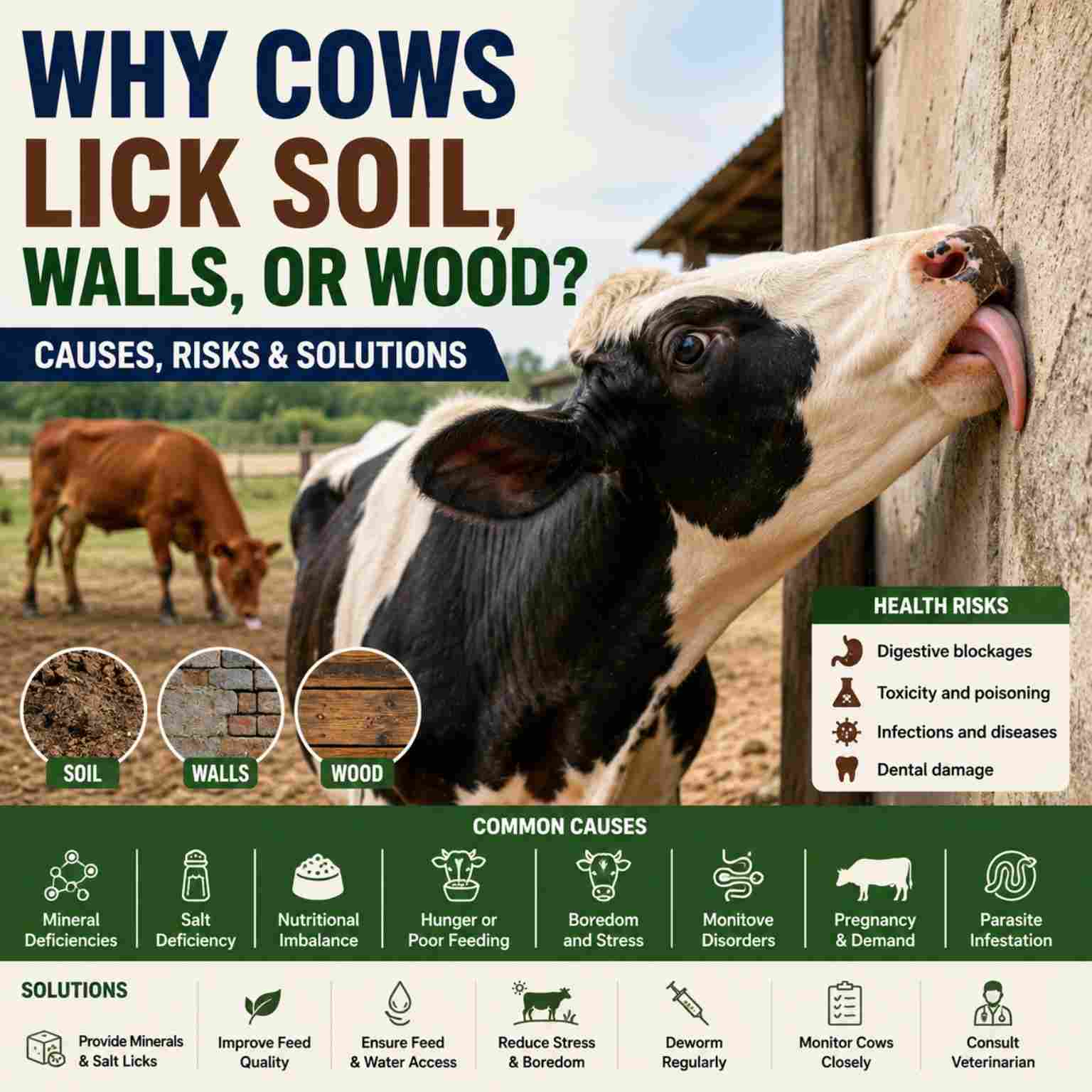
Cows often display behaviors that help farmers understand their health and nutritional condition. One unusual behavior many livestock keepers notice is cows licking soil, walls, wood, stones, or other non-food materials. While this may seem harmless at first, it can indicate nutritional deficiencies, digestive disturbances, boredom, or underlying health problems.
This condition, commonly linked to abnormal craving behavior known as pica, should never be ignored. Cows usually seek out these materials when their bodies lack important nutrients or when environmental conditions fail to meet their needs. If left unmanaged, the behavior can lead to poor productivity, digestive complications, infections, or injuries.
Understanding why cows develop this habit helps farmers identify problems early and improve herd management. This blog explains the causes of soil, wall, and wood licking in cows, warning signs to observe, health risks involved, and practical solutions to correct the behavior and maintain healthy cattle.
Understanding Abnormal Licking Behavior in Cows
Cows naturally explore their environment using their mouths and tongues. Occasional licking of objects may occur out of curiosity. Persistent licking of soil, wood, walls, plastic, or stones, however, usually indicates an underlying problem.
This behavior is often associated with nutrient deficiencies or environmental stress. It may occur in dairy cows, beef cattle, calves, or pregnant animals. Farmers should monitor the frequency and intensity of the behavior to determine whether intervention is necessary.
Why Cows Lick Soil, Walls, or Wood
Mineral Deficiencies
Mineral deficiency is one of the most common causes of abnormal licking behavior in cattle. Cows lacking phosphorus, sodium, calcium, magnesium, or trace minerals may try to compensate by licking unusual materials.
Phosphorus deficiency is especially linked to soil and wood licking. Affected cows often search for alternative sources of nutrients in the environment when their diet does not meet nutritional requirements.
Poor pasture quality, inadequate mineral supplementation, and imbalanced feed rations increase the risk of deficiencies.
Salt Deficiency
Salt is essential for proper nerve function, digestion, and fluid balance in cattle. When cows do not receive enough sodium, they may begin licking walls, wood, or soil in search of minerals.
This behavior is more common in areas where natural grazing lacks adequate salt content. Providing free-choice salt blocks often reduces the problem quickly.
Nutritional Imbalance
Cows require balanced diets containing energy, protein, fiber, vitamins, and minerals. Poor-quality feed can leave animals unsatisfied nutritionally, even when they appear full.
Animals receiving insufficient roughage or poorly formulated diets may develop abnormal cravings and start licking surrounding objects.
Hunger or Poor Feeding Management
Inadequate feed availability can lead cows to seek alternative materials to chew or lick. Animals that remain hungry for long periods may start consuming or licking non-food items out of frustration.
Irregular feeding schedules and overcrowded feeding areas may worsen the problem.
Boredom and Stress
Cows kept in confined environments with limited stimulation sometimes develop repetitive behaviors. Boredom, isolation, overcrowding, and environmental stress can trigger licking habits.
Animals housed for long periods without grazing opportunities are more likely to lick walls, fences, or wooden structures.
Digestive Disorders
Digestive disturbances may contribute to abnormal licking behavior. Conditions such as indigestion, rumen imbalance, or poor fiber intake can alter appetite and feeding behavior.
Affected cows may display reduced rumination, bloating, or irregular manure consistency alongside excessive licking.
Pregnancy and Increased Nutrient Demand
Pregnant and lactating cows have higher nutritional requirements. During these stages, deficiencies may develop more quickly if diets are not adjusted properly.
Some cows begin licking soil or walls during late pregnancy due to increased demand for minerals such as calcium and phosphorus.
Parasite Infestation
Internal parasites reduce nutrient absorption and weaken the animal over time. Worm burdens may contribute to deficiencies that trigger pica behavior.
Parasitized cows often show weight loss, rough hair coats, weakness, and reduced productivity, together with abnormal licking.
Signs That Accompany Abnormal Licking
Cows that frequently lick soil, walls, or wood often show other signs that point to nutritional deficiencies or underlying health problems. One common warning sign is weight loss, which may occur when the animal is not receiving enough nutrients or is struggling with poor digestion. Dairy cows may also show reduced milk production as the body lacks the nutrients and energy needed to maintain normal output.
Changes in physical appearance can also become noticeable. A rough or dull hair coat often reflects poor nutrition or parasite infestation. In calves, poor growth and slow development may indicate mineral deficiencies or inadequate feeding. Weakness, fatigue, and reduced activity levels are also common when cows are unhealthy or lacking essential nutrients.
Some affected cows may lose appetite and show less interest in feed, leading to further decline in body condition. Reproductive performance may also suffer, resulting in poor fertility or difficulty conceiving. Digestive problems such as diarrhea, bloating, or irregular manure consistency can occur alongside the abnormal licking behavior.
Observing these signs together helps farmers identify possible health or nutritional issues more accurately. Early detection allows for quicker management changes and treatment, helping restore normal behavior and improve herd productivity.
Health Risks of Soil, Wall, or Wood Licking
Digestive Blockages
Consuming foreign materials can cause blockages within the digestive tract. Wood splinters, stones, plastic, or excessive soil intake may interfere with digestion and lead to severe health complications.
Toxicity and Poisoning
Cows licking painted walls, treated wood, or contaminated soil may ingest harmful chemicals or toxins. This can result in poisoning and long-term organ damage.
Infections and Disease Exposure
Soil and dirty surfaces may contain bacteria, parasites, or disease-causing organisms. Constant licking increases the risk of infections and digestive illness.
Dental Damage
Continuous chewing or licking of hard materials may damage teeth and gums, affecting feed intake and long-term productivity.
How to Stop Cows from Licking Soil, Walls, or Wood
Provide Proper Mineral Supplementation
Offer balanced mineral mixes formulated for cattle. Salt licks and phosphorus supplements help correct common deficiencies associated with abnormal licking behavior.
Minerals should remain available at all times, especially for grazing animals.
Improve Feed Quality
High-quality forage and balanced rations help meet the nutritional demands of cattle. Ensure diets contain adequate fiber, protein, energy, vitamins, and minerals.
Regular feed analysis helps identify nutrient gaps.
Ensure Constant Access to Feed and Water
Cows should have continuous access to sufficient feed and clean water. Proper feeding management reduces hunger-related stress and prevents abnormal behavior.
Reduce Stress and Boredom
Provide adequate space, proper ventilation, and comfortable housing conditions. Grazing opportunities and environmental enrichment reduce boredom and repetitive licking habits.
Implement Regular Deworming Programs
Strategic parasite control improves nutrient absorption and overall health. Routine fecal testing and deworming help prevent deficiencies linked to parasitism.
Monitor Pregnant and Lactating Cows Closely
Cows with increased nutritional demands require extra attention. Adjust feed and mineral intake during pregnancy and lactation to prevent deficiencies.
Seek Veterinary Evaluation
Persistent licking behavior may indicate serious health problems. Veterinary examinations help identify deficiencies, digestive disorders, or illnesses requiring treatment.
Conclusion
Cows licking soil, walls, or wood is often a clear sign that something is missing in their nutrition or management environment. This behavior is commonly linked to mineral deficiencies, stress, digestive problems, poor feeding practices, or parasite infestations. Although it may seem harmless in the early stages, persistent licking can lead to serious health complications, reduced milk production, poor growth, and lower fertility.
Providing balanced nutrition, proper mineral supplementation, clean housing, and regular health care helps prevent abnormal licking behavior and supports better overall cattle performance. Monitoring cows closely for changes in appetite, body condition, or behavior allows farmers to identify problems early and take corrective action before productivity declines.
Farmers who maintain strong feeding programs and good herd management practices create healthier and more productive cattle. Early intervention and consistent care help reduce abnormal behaviors, improve animal welfare, and support long-term success in cattle farming.
Join Our Community ()
A happier, more productive farm is just a click away. Take charge and simplify with our apps today!
